
United Arab Emirates, better known as UAE, is one of the most popular countries to visit in the Middle East. If you have never been there, well, you are certainly missing out on a lifetime experience. The UAE is undoubtedly one of the most popular tourist destinations in the world, and tourists from all across the globe place it on their bucket list.
If you’re thinking about visiting the UAE, you should know that there are quite a few misconceptions surrounding the country. The most important thing to know is that this nation is very different from its neighbors. Sure, it is luxurious, rich and flashy, and yet the country is very much grounded in its traditions.
This article is designed to give you a more accurate picture of the country before you hop on a flight. So here are some of the most important things to know about the UAE before you go.
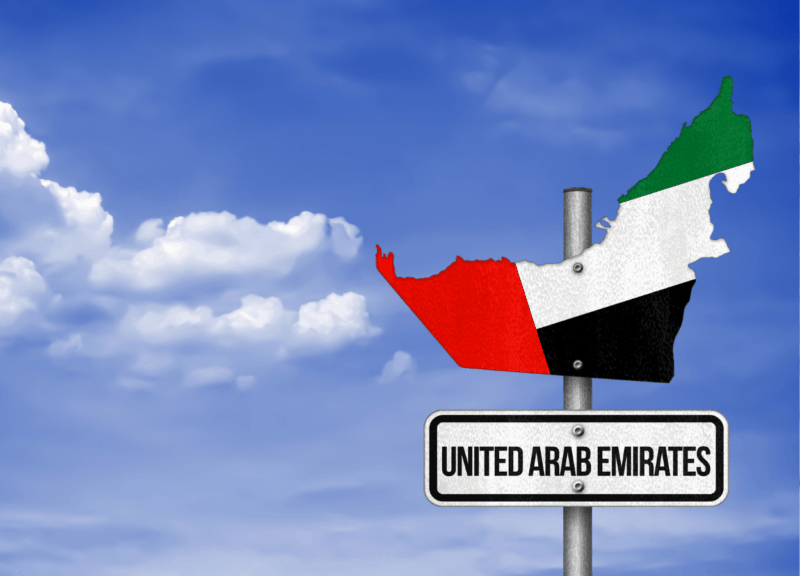
1. The UAE is a group of seven emirates
The UAE is made up of seven territories: Abu Dhabi, Ajman, Dubai, Fujairah, Ras Al Khaimah, Sharjah, and Umm Al Quwain. Each territory is ruled by an emir, and while they are all similar, the various emirates have their own unique laws, customs, and standards.
If you want the full cultural experience, visiting Dubai isn’t enough. You need to include multiple emirates on your UAE itinerary.
2. The largest cities are Abu Dhabi and Dubai
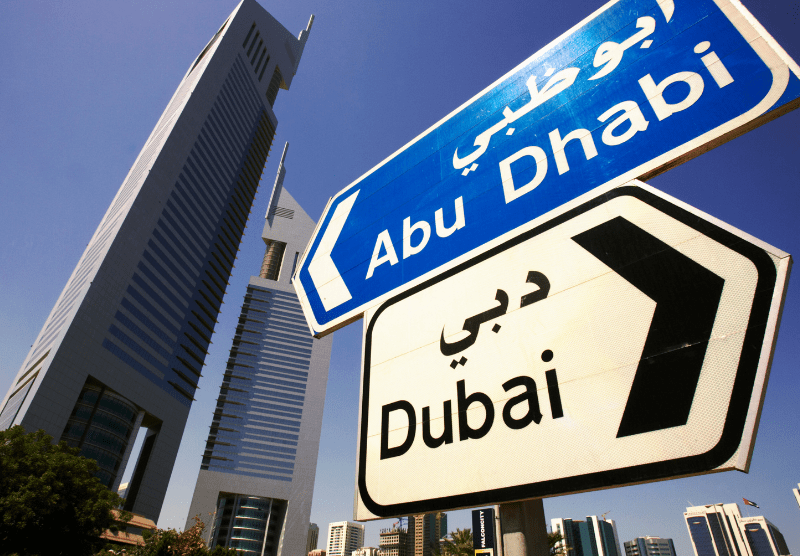
Of the seven emirates, Abu Dhabi and Dubai are the UAE’s most popular tourist destinations. They’re also major business centers, which helps explain why both cities have become such important hubs for international air travel.
Another reason is their location, which makes them convenient connecting points for flights between Europe, Asia, and Africa. With so many airlines flying through, you can find surprisingly affordable flights to the UAE from just about anywhere. Google “Flydubai ticket prices,” for instance, and you’ll see what we mean.
3. Most people you’ll encounter are not citizens
Nearly 90% of the UAE’s residents are foreigners, many of them from India, Pakistan, and the Philippines. Most came for work, whether in construction, hospitality, healthcare, finance, or other industries.
The UAE has several ways for foreigners to live there legally. Employment is the most common, but people can also qualify for residency through family, business ownership, or investment.
If you need help applying for a visa, choose a licensed UAE visa platform with good customer reviews. For reference, GOVR has a 4.8-star rating on Trustpilot.
4. You’ll experience a blend of cultures
With people from so many countries living in the UAE, the food is wonderfully varied. You’ll find Indian, Pakistani, and Filipino restaurants alongside places serving traditional Middle Eastern food.
There’s more to explore than food, of course. Visit a heritage village to see how Emiratis lived before the discovery of oil, watch a tanoura dance, or try henna painting. You can also learn about Bedouin traditions and the country’s desert history.
Ramadan is an especially interesting time to visit. Although many Muslims fast during the day, evenings bring families and friends together for iftar, the meal that breaks the fast at sunset.
5. The UAE is a conservative country
Dubai may be famous for its glitz and glam, but it’s still a Muslim country. Visitors are expected to respect local customs, and some things that are acceptable back home could get you into trouble here.
For example, public displays of affection, especially kissing, are frowned upon. Alcohol is available in licensed hotels, restaurants, and bars, but drinking or being drunk in public is against the law.
You’ll also want to pay attention to what you wear. Shorts and casual Western clothing are fine in most tourist areas, but shopping malls, traditional markets, and religious sites may have stricter dress expectations. Covering your shoulders and knees is a good rule of thumb for those places. Save your swimsuit for the beach or hotel pool.
💡 PRO TIP: If you want to understand how Arabs think and what makes their culture different from ours, read Understanding Arabs: A Contemporary Guide to Arab Society by Dr. Margaret Nydell. She explains Arab beliefs, values, and customs, including some controversial subjects, without taking political sides.
6. Women can travel independently in the UAE
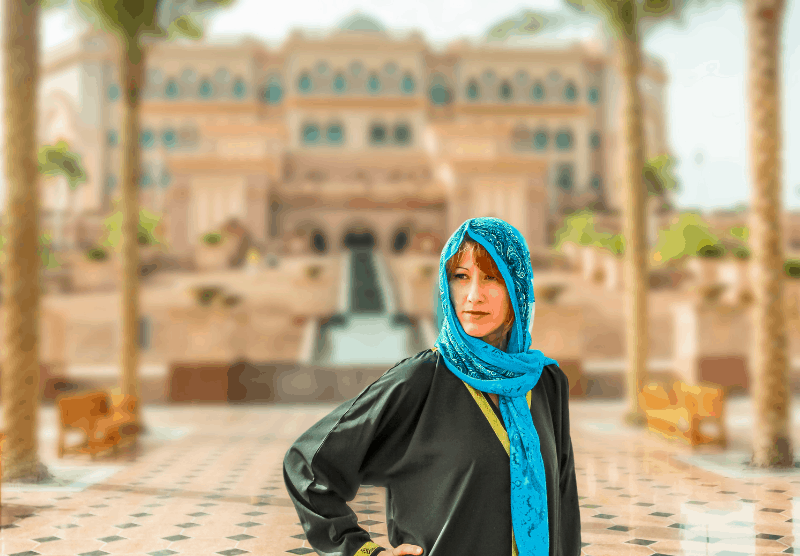
Women can drive, rent cars, stay in hotels, and explore the UAE on their own. You don’t need a male companion to travel around the country, and there’s no general requirement for female visitors to wear an abaya or headscarf.
If you’re traveling alone, you’ll find that Dubai and Abu Dhabi have plenty of transportation options, including taxis and ride-hailing services. Dubai even has women-only sections on its Metro, although women can use the regular carriages too.
One exception to the clothing rules is visiting a mosque. Women generally need to cover their hair, arms, and legs, and some mosques provide suitable clothing at the entrance.
7. There’s more to the UAE than Dubai and Abu Dhabi
Most visitors head straight for Dubai or Abu Dhabi, but the UAE has seven emirates, and the other five are worth knowing about.
Sharjah is known for its museums, art, and traditional architecture. It’s also more conservative than Dubai, and alcohol is prohibited.
Ajman is the smallest emirate, with sandy beaches and a quieter atmosphere. Nearby Umm Al Quwain is another good choice if you’d rather spend time around mangroves and lagoons than shopping malls.
For mountains and outdoor activities, head to Ras Al Khaimah. It’s home to Jebel Jais, the UAE’s highest mountain, and a popular destination for hiking and adventure activities.
Fujairah is different again. It’s on the Gulf of Oman, on the other side of the Hajar Mountains, and is known for its beaches, diving, and historic forts.
8. The UAE weekend has changed
If you’ve read older UAE travel guides, you might have seen that Friday and Saturday are considered the weekend. That changed in January 2022, when most of the UAE switched to a Saturday–Sunday weekend, just like we’re used to in the West.
Friday is still the Islamic holy day, so some businesses and government offices have shorter hours to accommodate Friday prayers.
You can enjoy late nights on Friday and Saturday, when clubs, markets, and restaurants stay open late. Just remember that opening hours vary, so check ahead if you have somewhere specific in mind.
💡 TIP: Sharjah’s government offices have a three-day weekend, from Friday through Sunday. Keep that in mind if you have any official business to take care of.
9. A little Arabic can break the ice
Although English is widely spoken throughout the UAE, learning a few Arabic words or phrases is a good idea. It shows respect for the local culture, and people usually appreciate it when you make an effort to speak their language. You might even find it easier to strike up a conversation with the locals.
You don’t need to learn much to make a good impression. Start with Marhaba (hello) when greeting someone, Shukran (thank you) when someone helps you, and Min fadlak (please) when making a request. A few simple words can go a long way.
And now you’ve got three useful Arabic expressions under your belt.
Afwan. (You’re welcome.)
10. The UAE has some crazy drivers
The UAE has excellent roads and modern highways, but driving here can take some getting used to. Drivers tend to move quickly, and you may encounter speeding, tailgating, and sudden lane changes, especially on busy highways.
Some highways have speed limits as high as 140 km/h (87 mph), so pay attention to the signs. If you’re not comfortable driving at higher speeds, stay out of the left lane and let faster traffic pass.
Also, watch your speed. Traffic cameras are common throughout the UAE, and speeding fines can add up quickly.
11. Abu Dhabi has a Ferrari theme park
If you enjoy roller coasters or fast cars, you need to visit Ferrari World Abu Dhabi on Yas Island.
The park is home to Formula Rossa, famous for reaching speeds of 240 km/h (149 mph) in less than five seconds. You’ll also find racing simulators, family rides, and exhibits dedicated to Ferrari.
Another advantage is that most of Ferrari World is indoors and air-conditioned, which makes it a good option when the weather is too hot for outdoor sightseeing. (Learn more here.)
12. Dubai has a souk dedicated to gold
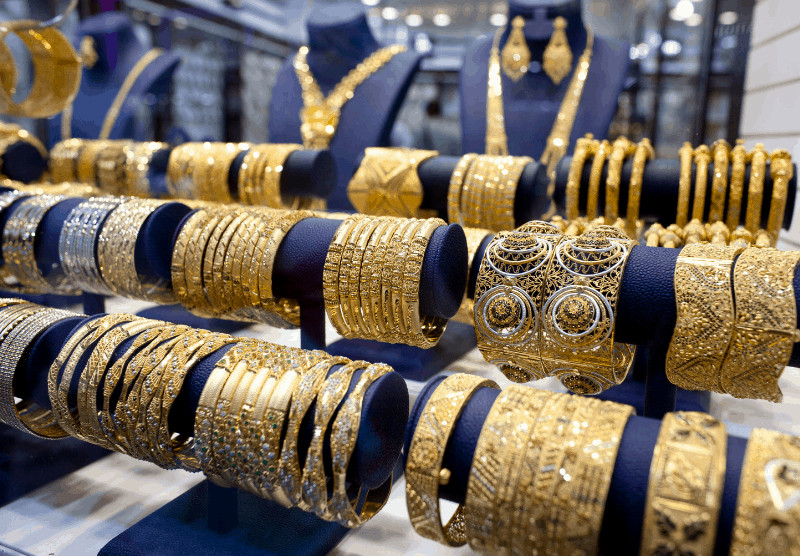
Dubai has a long history as a gold trading center, and its Gold Souk in Deira is one of the city’s most popular shopping attractions.
The shops display everything from simple rings and bracelets to elaborate necklaces and other gold jewelry. Even if you aren’t interested in buying anything, it’s worth walking through the souk just to see the displays.
If you do plan to buy something, check the current gold price before you shop. Gold jewelry is generally priced according to its weight, purity, and making charges. While you usually can’t negotiate the market price of gold, you may be able to bargain over the making charges.
💡 PRO TIP: Don’t be afraid to compare prices at several shops before making a purchase. You may find similar designs at different prices.
13. The summer heat is no joke
You probably already know the UAE gets hot, but you may not realize just how hot. Summer temperatures can climb above 40°C (104°F), and the humidity near the coast can make it feel even worse.
If you plan to spend much time outdoors, November through March is a better time to visit. The weather is much more comfortable for sightseeing, desert excursions, and walking around the cities.
That said, summer has one advantage: lower prices. Hotels often offer some of their best deals during the hottest months, and there’s no shortage of air-conditioned attractions if you don’t mind spending more time indoors.
14. Alcohol can be expensive
If you enjoy having a drink with dinner, be prepared to pay more than you might expect. Alcohol can be expensive in UAE hotels, restaurants, and bars, particularly in upscale tourist areas.
You can buy alcohol at licensed establishments in Dubai and Abu Dhabi, but the rules aren’t the same throughout the country. Sharjah, for example, prohibits alcohol altogether.
💡 PRO TIP: Check the duty-free allowances if you’re planning to buy alcohol at the duty-free shop. The amount you’re allowed to bring into the UAE depends on the emirate where you enter.
15. Check what’s in your luggage
Before you start packing for the UAE, check the country’s customs regulations. Some items that are legal at home may be restricted or prohibited there.
Some prescription medications are controlled in the UAE, including Adderall, Xanax, Ambien, and opioid painkillers. We recommend checking the UAE’s official medication rules to see whether your medicine is restricted and what paperwork you’ll need.
Illegal drugs and CBD products are strictly prohibited, and certain adult items and other goods may be confiscated at customs. Don’t assume something is permitted just because you bought it legally elsewhere.
16. Yes, you can wear a bikini
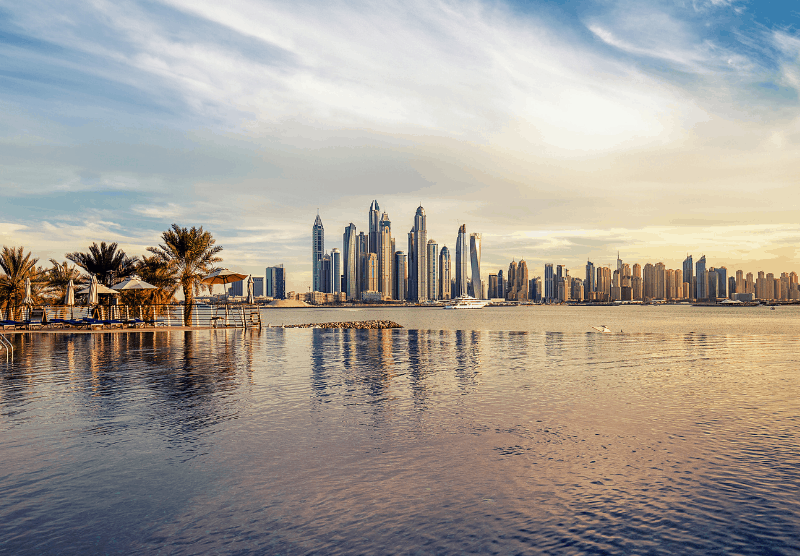
Don’t assume that visiting a Muslim country means you can’t wear your usual swimsuit. Bikinis are allowed at many UAE beaches, hotel pools, and waterparks.
You don’t need a burkini, although you’re welcome to wear one if that’s what you’re comfortable in.
Just bring a cover-up for when you leave the beach or pool. Swimwear isn’t appropriate for walking through shopping malls, restaurants, or city streets.
17. Some UAE laws may surprise you
There are a few UAE laws that leave visitors scratching their heads, and ignorance isn’t an excuse if you break one. Familiarize yourself with the rules before you travel, particularly if you’re accustomed to speaking or posting freely without thinking twice.
Watch your mouth, for example, because swearing or making offensive gestures in public can get you into trouble. And watch your camera, too. Taking pictures of people without their permission can violate privacy laws, and photography is restricted around certain government buildings and military facilities.
Be especially careful about posting photos and comments online. Something you consider harmless could cause legal problems if it violates local privacy or defamation laws.
18. You’ll find food from almost everywhere
We’ve already mentioned how international the UAE’s population is, and nowhere is that more obvious than at mealtime.
You can eat your way around the world without leaving Dubai. Indian, Pakistani, Filipino, Italian, Japanese, and French restaurants are easy to find, along with plenty of traditional Arab and Middle Eastern dishes.
You don’t have to spend a fortune, either. Some of the best meals can be found in small neighborhood restaurants serving the communities who live and work there.
If you’re interested in trying local specialties, don’t overlook Emirati dishes such as machboos, a spiced rice dish usually served with meat or fish, and luqaimat, little fried dumplings drizzled with date syrup.
Inspired? Pin this post and save it for later!
19. Tipping is appreciated, but not required
Here’s something American travelers may appreciate: Tipping isn’t compulsory in the UAE. You can leave something extra for good service, but you don’t need to feel obligated to tip everyone.
In Dubai, leaving 10–15% at a restaurant is fairly common. You can also round up a taxi fare or give hotel staff a few dirhams for helping with your bags.
Check your restaurant bill before adding a tip, though. Some establishments include a service charge, and that money doesn’t necessarily go to your server.
20. Visiting is different during Ramadan
You may have heard that Ramadan is a bad time to visit the UAE because restaurants close during the day and tourists can’t eat or drink until sunset. That information is outdated, especially in Dubai.
Most Dubai restaurants continue serving meals during Ramadan, and non-Muslims aren’t expected to fast. However, business hours and entertainment schedules may change, so it’s worth checking what’s open before making plans.
Ramadan can actually be an interesting time to visit. Once the sun goes down, families and friends gather for iftar, the meal that breaks the daily fast. Hotels and restaurants often offer special iftar dinners, giving visitors a chance to experience an important part of Muslim culture.
If you’re planning a trip during Ramadan, check the dates before booking. Because Ramadan follows the Islamic lunar calendar, it begins about 10 or 11 days earlier each year.
ⓘ TIP: Don’t forget to check out our 7 day UAE itinerary!
The food quality and variety are amazing in Dubai. Indian, Lebanese, Italian, Thai, everything is top class. I try new restaurants every time I visit Dubai
We like to try new restaurants too. Do you have any favorites you can recommend?