There’s a particular kind of magic that happens when you stop trying to “see” Italy—and begin to experience it instead.
In Italy’s wine country, that might mean an unhurried lunch in a Tuscan village, a conversation with a winemaker in Piedmont, or an afternoon spent among the vineyards rather than rushing to the next attraction.
From Tuscany and Veneto to Sicily, Italy’s wine regions offer more than exceptional wines and beautiful landscapes. They invite you to slow down, discover local traditions, and connect with the people who call these places home.
For those beginning to explore where to go—whether in Piedmont, Tuscany, Veneto, or Sicily—a thoughtful overview like this guide to the Best Wineries and Vineyards to Visit in Italy offers an excellent starting point. Yet beyond the names of estates and appellations lies something deeper: wine country invites you into a different rhythm of travel altogether.
And once you’ve experienced it, it’s hard to return to any other way.
Discover Italy Through Its Wine Regions
Rome’s grandeur, Venice’s canals, and Florence’s art may draw visitors to Italy, but wine country tells another story: one shaped by soil, climate, and centuries of agricultural tradition.
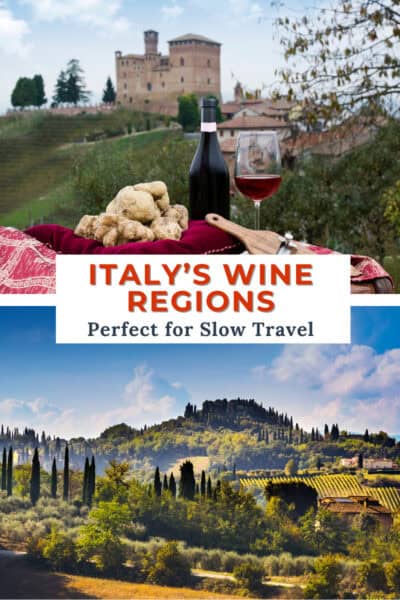
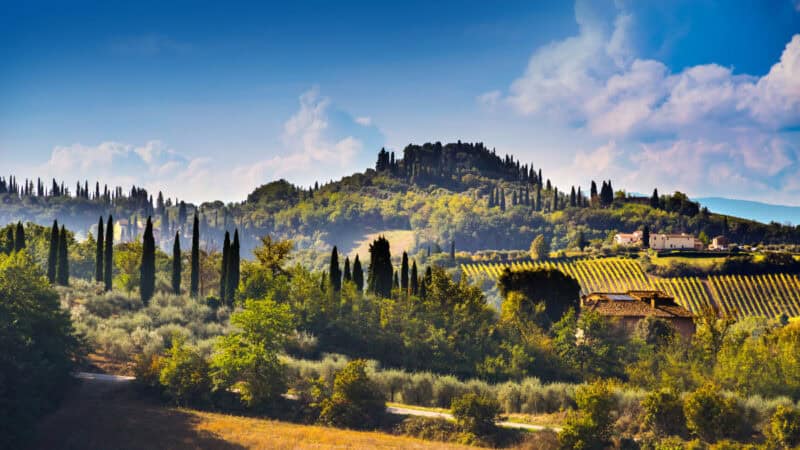
In Tuscany, cypress trees line undulating hills that seem almost too symmetrical to be real. In Piedmont, morning fog (the nebbia that gives Nebbiolo its name) drifts softly over vineyards tucked beneath the Alps. In Veneto, rolling slopes give way to steep Prosecco hillsides, while in Sicily, vines grow in the shadow of Mount Etna.
Wine regions are not separate from Italy’s identity—they are its foundation.
And when you explore them slowly, you begin to see how closely food, architecture, dialect, and even daily life are connected to what grows in the earth.
Italy’s Wine Country: The Luxury of Time
There’s a misconception that wine travel is about exclusivity or prestige—about rare vintages and private cellars. While those experiences certainly exist, what lingers long after a trip is something far less flashy.
It’s time.
Time to sit with a winemaker as they explain how a particular vintage was shaped by an unusually wet spring.
Time to taste olive oil pressed that very week.
Time to wander through a medieval village before dinner rather than rushing to the next attraction.
In Italy’s wine country, luxury isn’t measured by how much you see in a day—it’s measured by how deeply you engage with where you are.
This slower pace creates space for conversation. And in Italy, conversation is everything.
Unspoken Rewards of Unhurried Vineyard Visits
Some of the most meaningful travel moments don’t happen in museums or famous landmarks. They happen at tables.
A long, family-style lunch in a Piedmont trattoria.
An impromptu espresso with a vineyard owner in Montalcino.
A cooking class in a farmhouse kitchen overlooking the vines.
Wine regions make these interactions possible because they are inherently intimate. You’re not navigating a metropolis; you’re stepping into communities where families have farmed the same land for generations.
Winemaking in Italy is rarely just a business. It’s legacy.
And when you slow down enough to listen, those stories reshape how you understand not only wine, but Italy itself.
What to Expect at an Italian Wine Tasting
Wine tasting in Italy is different from hopping between tasting rooms in more commercialized destinations.
You’re often seated.
You’re often guided.
And you’re almost always offered food.
Tastings are not about rapid sampling; they’re about context. Why this grape thrives in this soil. Why one slope produces a softer expression than another. Why aging in large Slavonian oak barrels yields a different result than French barrique.
Over time, you begin to notice more than flavors. You notice textures. Balance. Structure. You notice how the wine reflects its environment—what wine lovers call terroir.
And perhaps most importantly, you begin to taste more slowly.
That mindfulness inevitably carries into the rest of your travels.
A Different Kind of Itinerary
In city-focused travel, itineraries often revolve around landmarks. In wine country, they revolve around experiences.
A morning truffle hunt in Piedmont.
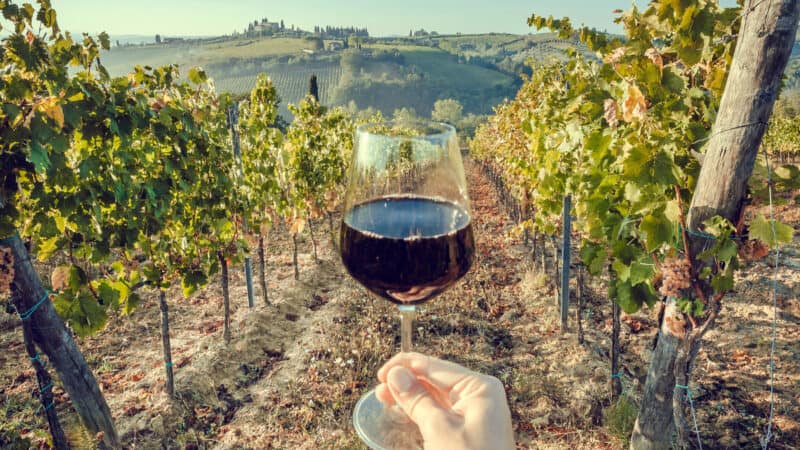
A vineyard walk followed by a barrel tasting in Tuscany.
A scenic drive through the Prosecco Hills, stopping wherever the view compels you.
There’s structure —but it feels organic.
Because distances between villages are short and landscapes are beautiful, transitions feel like part of the journey rather than an interruption. Even the drive becomes an experience: winding roads, hilltop castles, stone farmhouses framed by vineyards.
You’re not rushing from “site” to “site.” You’re immersing yourself in a region.
Why Wine Regions Are Perfect for Couples and Small Groups
Wine country naturally lends itself to shared experience.
Unlike large cities, where everyone might scatter in different directions, wine regions encourage gathering. Meals are communal. Tastings are conversational. Accommodations often consist of restored villas, boutique countryside inns, or small luxury estates where evenings are quiet and restorative.
For couples, this creates space to reconnect.
For small groups of friends, it creates room for meaningful conversation.
For multi-generational families, it allows for a shared rhythm that suits everyone.
There’s no pressure to keep up with an urban pace. Instead, days unfold naturally.
How Italy’s Wine Regions Change Throughout the Year
Italy’s wine country changes dramatically with the seasons, and each has its own character.
Spring brings fresh green vines and fewer crowds.
Summer offers golden evenings and long outdoor dinners.
Autumn is harvest season—energetic, aromatic, alive with activity.
Winter feels introspective, quieter, ideal for intimate cellar visits and hearty meals.
Unlike city travel, where seasonality may influence weather more than experience, wine country is directly shaped by the agricultural calendar.
Harvest season, in particular, offers a sense of participation—you feel the rhythm of real life unfolding around you.
Plan Just Enough—and Leave Room for Discovery
One of the most compelling aspects of wine travel in Italy is how seamlessly it blends planning with freedom.
Reservations are often essential—small estates don’t operate like open-door tasting rooms. Yet once you’re there, there’s room for improvisation. A recommendation for a nearby village. A last-minute lunch at a family-run osteria. A detour to a scenic overlook.
It’s travel that feels curated but never rigid.
That balance allows you to relax into the experience without feeling overscheduled.
Food is Cultural Storytelling
In Italy, wine is never separate from food.
Barolo paired with slow-braised beef.
Brunello alongside wild boar ragù.
Etna Rosso with pistachio-crusted fish.
Meals in wine country are often multi-course, leisurely affairs. But they don’t feel indulgent for indulgence’s sake. They feel rooted—seasonal, regional, intentional.
You begin to understand how cuisine evolved alongside what was grown locally. Why certain dishes emerged in certain regions. Why ingredients taste the way they do when grown in volcanic soil or limestone-rich hillsides.
It’s immersive education—without a classroom.
Why This Style of Travel Changes You
When you return home from Italy’s wine country, you may find that your approach to travel—and perhaps to life—has shifted subtly.
You might linger longer over dinner.
You might prioritize fewer destinations with deeper exploration.
You might choose experiences over attractions.
Wine regions teach patience. They reward curiosity. They remind you that some of the most meaningful moments happen when nothing “spectacular” is happening at all.
Just a table. A bottle. A view. And good company.
Beginning Your Own Wine Journey
If you’re considering exploring Italy beyond its cities, wine country offers an entry point that feels both accessible and transformative.
Start with one region.
Choose a base and explore slowly.
Allow space between appointments.
Build in time simply to wander.
And most importantly, approach it with openness.
Because in Italy’s vineyards, travel becomes less about checking boxes and more about connection—to land, to people, to culture, and perhaps even to yourself.
Italy has long been one of the world’s most beloved destinations. But for those willing to slow down and immerse themselves in its wine regions, it reveals something far richer than monuments and museums.
It reveals its heartbeat.
And once you’ve traveled that way, you may never want to rush again.