
Planning your first Vancouver trip? Great. Now brace yourself for the Airbnb scroll of doom. Mountains meet ocean meet glass towers, and somehow you’re supposed to pick one apartment out of hundreds.
This guide cuts through the noise. You’ll learn how to size up neighborhoods, decode pricing, read between the lines of reviews, and catch the red flags before you book.
Start By Choosing the Right Vancouver Neighborhood
Forget the fancy photos for a minute. Location matters more than marble countertops. Figure out where you want to be, then look at listings.
- Coal Harbour — Waterfront flex. Expect to pay around CA$315/night for the views.
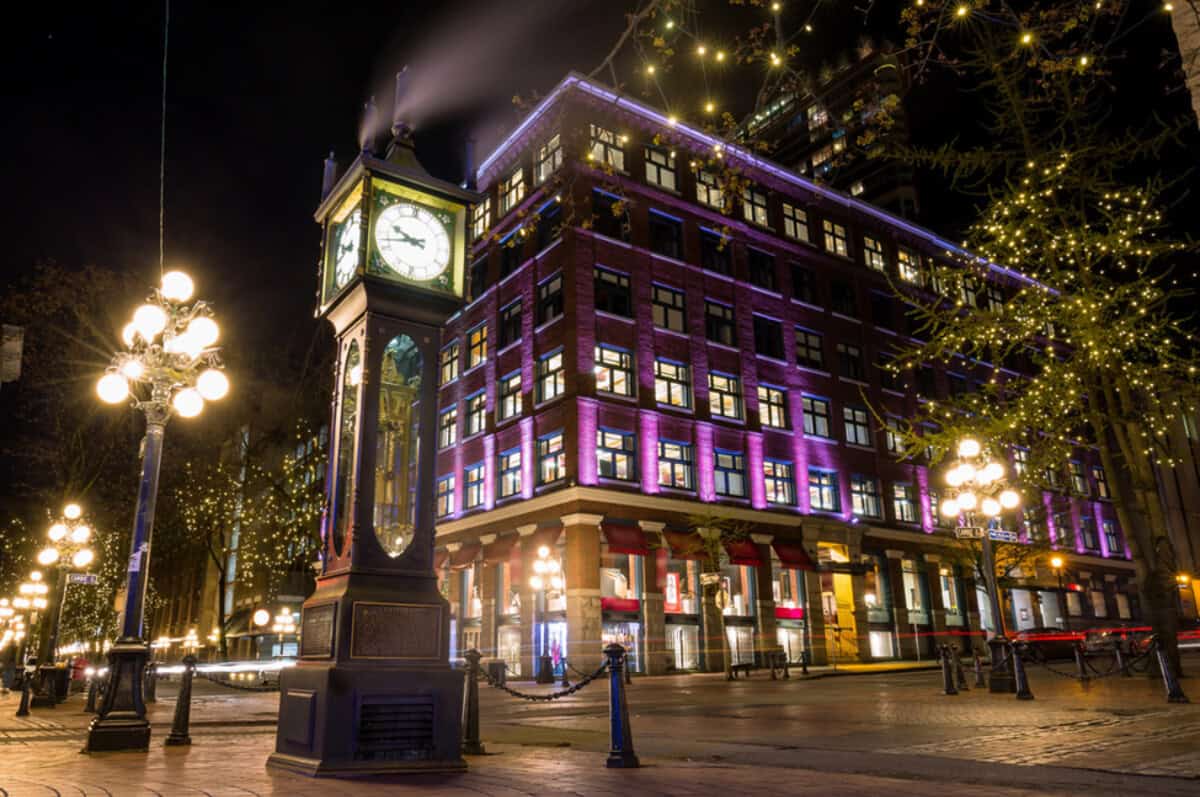
- Gastown — Cobblestone streets, solid restaurant scene, tourist buzz. ~CA$294/night.
- Downtown Core — You’re here for convenience. SkyTrain, seawall, restaurants everywhere. ~CA$272/night.
- West End — Loud bar streets + quiet tree-lined blocks, sometimes on the same corner. Dense, walkable, mixed energy.
- Yaletown — Nightlife, brunch spots, easy transit. Polished and busy.
- Kitsilano — Beach mornings, bike paths, slower pace. More residential vibe.
- False Creek — Quieter than downtown but still close to water and transit. Good middle ground.
- North Vancouver — You’re here for hiking. Quick SeaBus gets you downtown when needed.
💡 PRO TIP: Check the walk to transit. A 5-minute stroll to SkyTrain vs. a 15-minute bus ride changes your entire day. Some neighborhoods have stations right there. Others don’t.
Check If the Listing Follows Local Rules
British Columbia and the City of Vancouver have tightened short-term rental rules, so hosts must follow licensing and registration requirements. You don’t need to read the bylaws, but you should notice how open each listing is.
Responsible hosts often show a business license number or registration ID in the description or house rules. If you do not see anything clear, send a short message and ask whether the unit is fully compliant and used according to local regulations.
Many owners now work with professional managers to follow the rules and keep standards high. Vancouver hosts, for example, partner with MasterHost to handle pricing, guest screening, cleaning, and day-to-day operations. Clear rules, quick replies, and organized check-in instructions? That usually means you’re dealing with a serious host or pro team—and less chance of last-minute cancellations.
Define What “Perfect” Means for Your Trip

Before you open the app, take a moment to decide what “perfect” means for this specific visit. A couple may want a small but stylish studio with a balcony in a lively area, while a family might need two bedrooms, a proper kitchen, and in-suite laundry. Remote workers often care most about strong Wi-Fi, good chairs, and quiet surroundings that support video calls and focused workdays.
You should connect your wish list to your budget and dates. Prices climb in summer, on long weekends, and during major events, so you may need to choose between size, location, and extras like parking or a view. However, if you stay flexible on the exact neighborhood or travel in spring or fall, you can often find a comfortable, well-equipped place that still fits your budget. Clear priorities turn the search tools into helpful filters instead of obstacles.
Use Airbnb Filters and Map View With Intention
Many first-time visitors open Airbnb and scroll without a plan, yet a focused approach saves time and frustration.
- Start by switching to map view and zooming in on the neighborhood you have already chosen.
- Then set basic filters such as the entire place or private room, number of guests, and price range.
- After that, add essentials like Wi-Fi, kitchen, washer, and parking if you plan to drive.
When you combine map view and filters, you cut out most unsuitable homes and spend your energy comparing a smaller group of strong candidates.
Read Photos, Reviews, and Rules Like a Pro
Photos, reviews, and rules are your main tools for judging quality, so you should examine them carefully. Good listings show the exterior, living area, kitchen, bathroom, and each sleeping space. If you see only close-ups of decor or a handful of dark images, treat that as a warning sign. Clear pictures of windows and natural light help you imagine how the space feels on a rainy afternoon, which matters in Vancouver’s climate.
Reviews add context that photos cannot. Sort by newest, then skim several pages. If many guests mention noise, cleaning problems, or weak Wi-Fi, consider choosing another place. One odd complaint among many detailed positive reviews usually points to a rare bad stay, not a bad host.
Finally, read the house rules from start to finish. They explain quiet hours, visitor policies, pet rules, and smoking restrictions, so they protect both you and the owner from surprises.
Pay Attention to Quality Signals and Host Support
Beyond reviews, Airbnb offers extra quality markers that can guide first-time visitors. Superhost badges and “guest favorite” labels show that a host maintains strong ratings, responds quickly, and rarely cancels. These signals never guarantee perfection, yet they point toward consistent service and reliable communication.
You should also look at how the host responds to your messages. A quick, clear reply to simple questions shows respect for guests and hints at how problems would be handled. Some hosts share digital guidebooks that include local tips, transit advice, and restaurant lists. When you see this level of care, you can expect smoother check-in, better support, and a more relaxed stay overall.
Consider Season, Weather, and Booking Timeline

Vancouver’s climate and tourism seasons strongly affect both comfort and cost, so planning around them makes sense. Summer brings sun, festivals, and busy beaches, which also means higher nightly rates in central neighborhoods. If you aim for June through August, booking several months ahead is wise, especially when you want a specific area or special view.
Spring and fall often bring better prices and fewer crowds, although you must accept more rain and cooler evenings. Winter stays can feel cozy and affordable, yet short days and wet weather may limit outdoor plans.
Because the climate shifts throughout the year, you should match amenities to the season. In winter, look for strong heating and a warm, well-insulated unit. In summer, fans or air conditioning can make hot spells far more comfortable.
Spot Red Flags and Use a Simple Checklist
Even beautiful listings can hide problems, so watch for red flags:
- A place with no reviews, very generic comments, or repeated complaints about the same issue deserves caution.
- Hosts who push you to pay outside the platform or avoid direct answers to simple questions also raise concern.
- Missing photos of bathrooms or sleeping areas may hide awkward layouts or dated spaces that you would rather avoid.
Before you click “Book,” run through a quick checklist.
- Confirm that the neighborhood fits your plans and ensure that you understand how you will move around the city.
- Double-check bed types, Wi-Fi, kitchen tools, heating, and laundry so they match your needs.
- Re-read recent reviews and house rules, then
- Look closely at the cancellation policy and final price, including fees.
When you follow these steps, you turn the search into a calm, informed process. You finish with a clear, practical understanding of how to find the perfect Airbnb in Vancouver and can focus on enjoying mountains, markets, and seaside paths instead of worrying about your accommodation.