
India is a country that refuses to fit into a single description. Travel a few hours in any direction and everything shifts — the language, the festivals, the clothes, the rhythm of daily life. More than a billion people share this space, each adding their own traditions, flavors, and stories to the mix.
And nowhere is that diversity more deliciously obvious than in the food. Indian cuisine is bold, colorful, aromatic, and deeply tied to the people who make it. Every dish carries a bit of history, a bit of home, and a whole lot of personality.
7 famous Indian dishes to try – tour the country with your mouth!
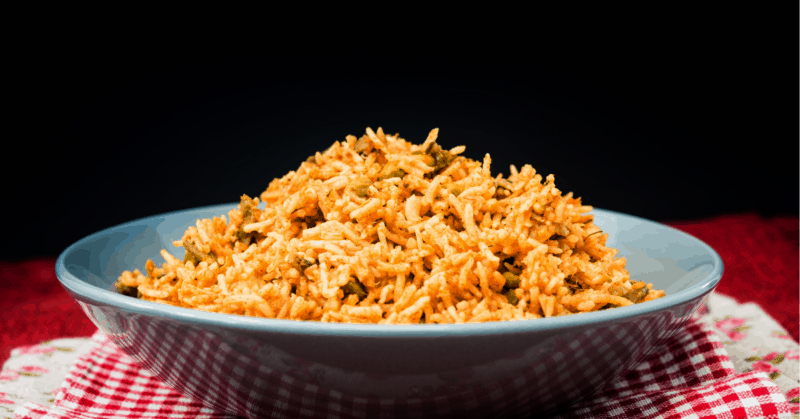
India is huge, and the flavors and cultures vary by region. Up north, the food leans heavier and creamier, with breads like naan and rich gravies. Down south, it’s more rice‑based, spicier, and brighter, with coconut, tamarind, and dishes like dosa and sambar showing up everywhere.
Indian cuisine is beloved for its bold spices, vibrant colors, and the way the aroma hits you before the first bite. If you don’t have an Indian restaurant nearby, don’t worry — many popular dishes and spice blends are easy to find in the international aisle of most grocery stores. And if you prefer shopping online, there are plenty of delicious Indian foods available on Amazon.
Here are seven iconic Indian dishes worth trying, each one highlighting a different flavor, region, or tradition from this wonderfully diverse country.
1. Rogan josh
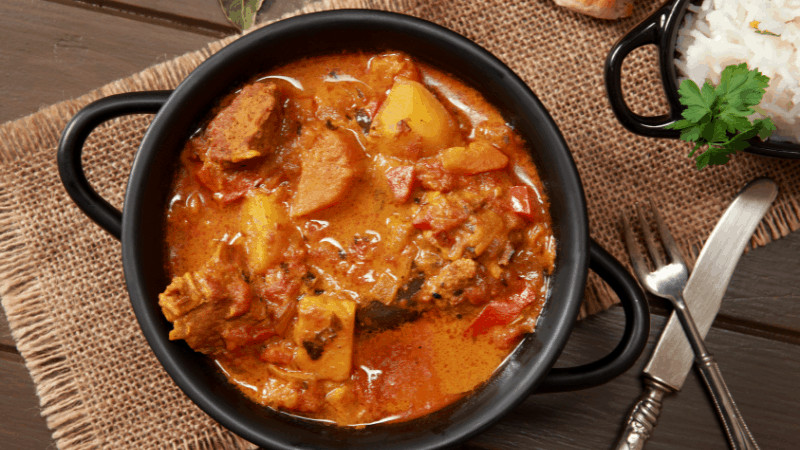
Let’s begin with one of the most famous Indian dishes of all, straight from the beautiful, serene valleys of Kashmir. It’s the region’s best‑loved specialty, so if you ever find yourself in Kashmir, you’ll almost certainly get a chance to try it.
Rogan josh, like many Indian dishes, has Persian roots. Its name comes from the Persian words rogan (oil) and josh (intense heat), a nod to the traditional method of cooking the lamb in hot oil with deeply aromatic spices. The dish is seasoned with a fragrant mix of asafoetida (hing), cumin (zeera), cloves (laung), bay leaves (tej patta), fennel (saunf), and cardamom (elaichi), which gives it that signature Kashmiri warmth and depth.
It’s typically served with simple boiled rice — the perfect backdrop for its rich, slow‑simmered flavors.
2. Makki ki roti aur sarson ka saag
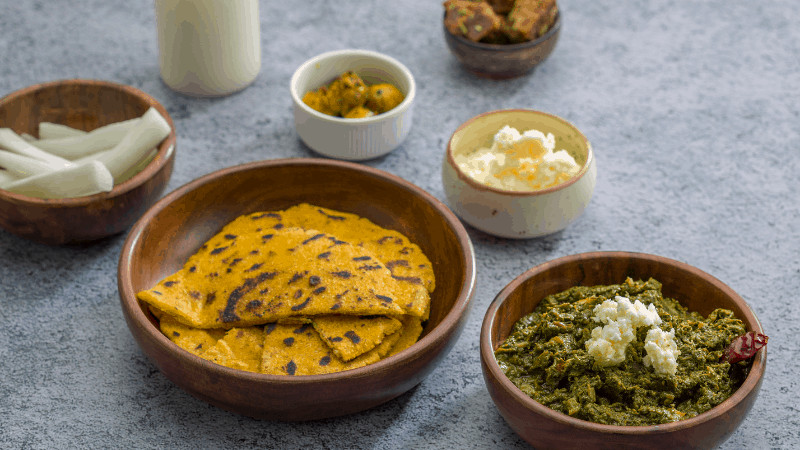
You can’t talk about North Indian food without mentioning this iconic winter classic from Punjab. It’s comfort food at its most rustic — the kind of meal that warms you up from the inside out when the fields are cold and the fog hangs low over the villages.
Makki ki roti is a golden, slightly coarse flatbread made from corn flour and cooked on a hot tava until it gets those perfect little brown spots. Sarson ka saag is its natural partner: a rich, earthy mix of mustard greens and spinach, slow‑cooked, ground, and seasoned until it turns silky and deeply flavorful.
For generations, this simple duo has been a staple of rural Punjabi life — hearty, nourishing, and packed with the kind of strength that keeps farmers going through long days in the fields.
3. Tunday kebab
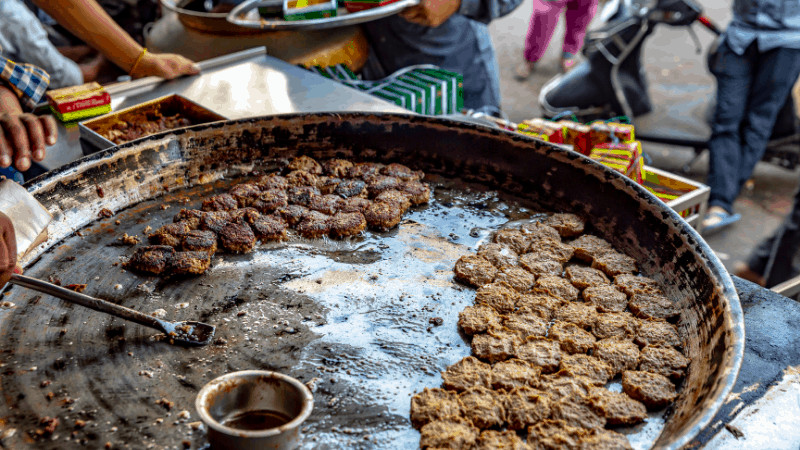
Tunday kebab — sometimes written as Tunde ke Kabab — is one of Lucknow’s most beloved culinary treasures. These melt‑in‑your‑mouth mutton patties are so soft and delicate that you barely need to chew; they simply disappear the moment they hit your tongue.
Legend has it that the original recipe uses more than 150 spices, including unexpected notes like sandalwood alongside familiar flavors such as mint, ginger, and garlic. Whether or not anyone is counting, the result is unmistakably rich and aromatic — a perfect reflection of the indulgent cuisine once favored by the Nawabs of Lucknow.
It’s the kind of dish that feels luxurious without trying, a little taste of royal Awadhi heritage on a single plate.
4. Hilsa Fish Curry (Ilish Maccher Jhol)
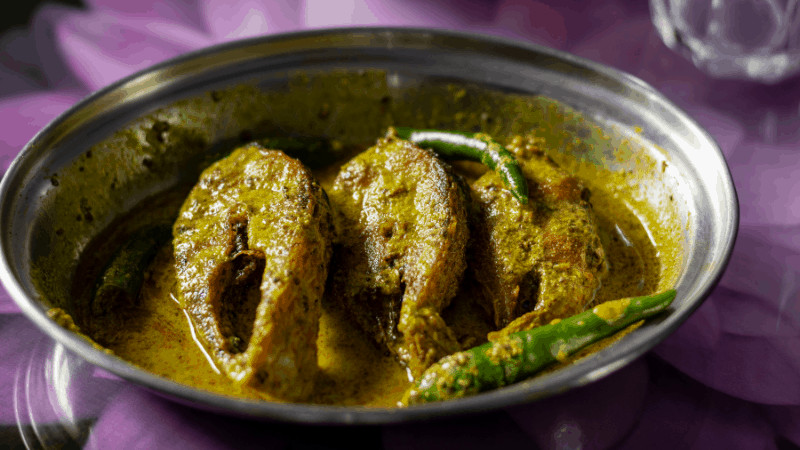
Hilsa Fish Curry is one of Bengal’s most treasured dishes — the kind of curry that shows up at festivals, family feasts, and any occasion where people want to celebrate with something truly special. Hilsa (or ilish) is a prized fish with a rich, buttery flavor, and Bengalis treat it with the respect it deserves.
The fish is salted, sliced, lightly fried in soybean oil, and then simmered with onions, garlic, ginger paste, turmeric, and red chili powder. The result is a bright, aromatic curry with a depth of flavor that’s unmistakably Bengali.
One quirky fact? Hilsa can be preserved in layers of salt for up to two years. So technically, yes — you could stash some away for a rainy day… though most people won’t wait that long once they get a taste.
5. Vada Pav
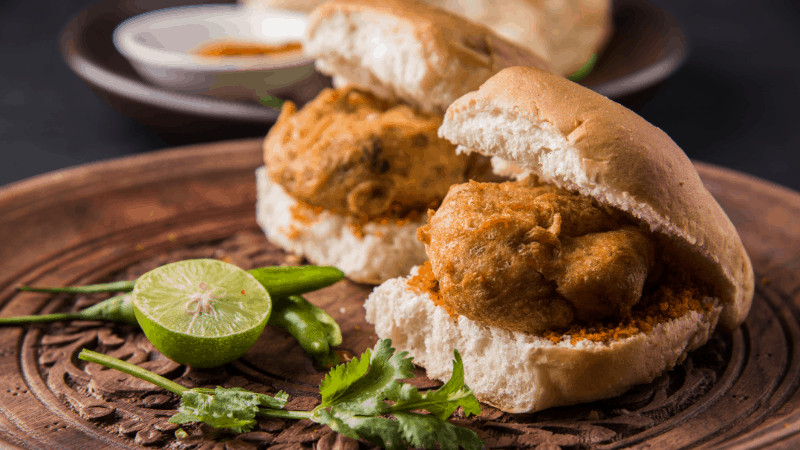
Vada pav is Mumbai’s ultimate street‑food icon — the kind of snack that defines the rhythm of the city. If you spend even a day in Mumbai, you’ll see people eating it everywhere: students grabbing one on the way to class, office workers wolfing it down between meetings, and taxi drivers stopping at their favorite stall for a quick bite. It’s fast, cheap, filling, and absolutely addictive.
At its core, vada pav is simple: a spicy mashed‑potato fritter (batata vada) is dipped in gram‑flour batter, deep‑fried until crisp, and tucked into a soft bun (pav). But the magic is in the layers — the fiery dry garlic chutney, the tangy tamarind and mint chutneys, and the fried green chilies served on the side for anyone who wants an extra kick. Every stall has its own twist, and locals will argue passionately about which one is the best.
What makes vada pav special isn’t just the flavor — it’s the way it cuts across class, age, and background. In Mumbai, everyone eats vada pav. It’s the great equalizer, a tiny sandwich with a huge cultural footprint.
6. Hyderabadi Biryani
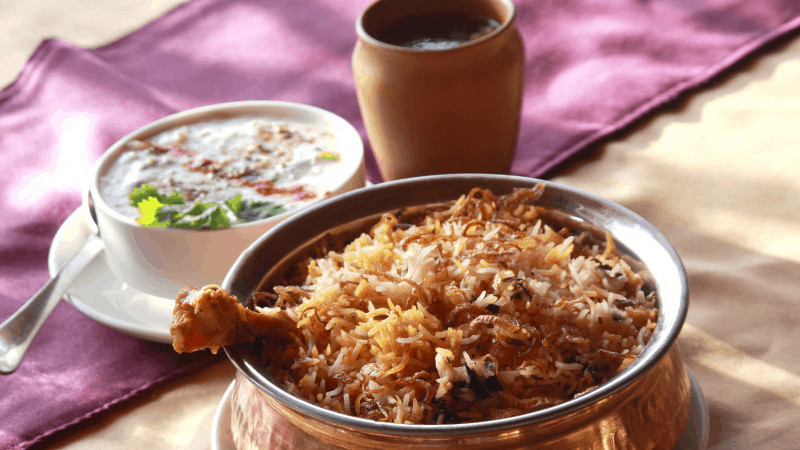
Hyderabadi Biryani isn’t just a dish — it’s a point of pride for the city. Walk through Hyderabad and you’ll smell it long before you see it: basmati rice, meat, spices, and fried onions all coming together in one slow‑cooked, aromatic masterpiece. It’s a beautiful blend of Mughlai and Iranian influences, perfected over centuries in the kitchens of the Nizams.
The magic starts with marinated chicken (or mutton), yogurt, ginger‑garlic paste, lemon, herbs, and a carefully balanced mix of spices. Long‑grain basmati rice is par‑cooked, layered over the meat, and then the whole handi is sealed with dough so the steam can’t escape. As it cooks, every grain absorbs the aroma of saffron, fried onions, and the juices from the meat below.
There are countless variations — chicken, mutton, fish, egg, even vegetarian versions — but the soul of the dish stays the same: rich, fragrant, and deeply satisfying. When you finally lift that dough seal and the steam rushes out, it feels like opening a treasure chest.
Trust me, this biryani is worth every single bite.
7. Dosa
Once you’ve had a good dosa, you’ll understand why people line up for it.
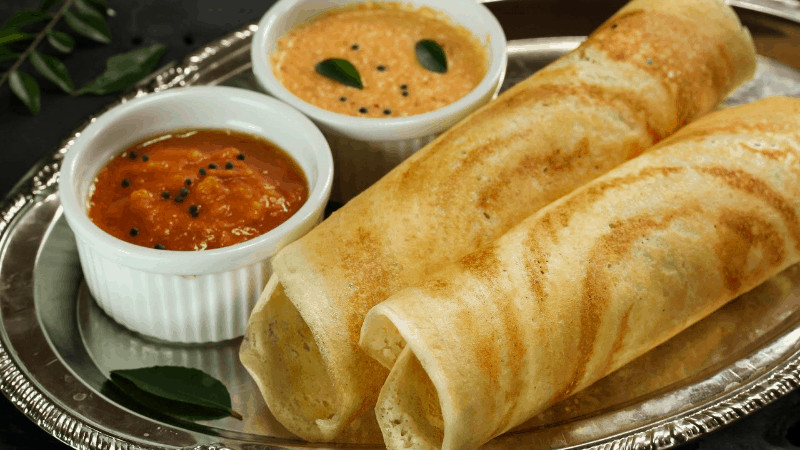
Dosa is one of South India’s greatest culinary gifts — simple, comforting, and endlessly craveable. It’s a thin, crispy crepe made from a fermented batter of rice and lentils, cooked until the edges turn lacy and golden. You’ll find dosas everywhere in South India, from tiny roadside stalls to bustling family restaurants, each with its own style and technique.
The classic masala dosa comes stuffed with a warm, spiced potato‑onion filling, but there are dozens of variations: paper dosa, rava dosa, Mysore dosa, cheese dosa, paneer dosa… the list goes on. No matter which one you choose, it’s always served with sambar — a tangy lentil‑vegetable stew — and a couple of chutneys, usually coconut and tomato.
There’s something incredibly satisfying about tearing off a piece of dosa with your hands, dipping it into chutney, and scooping up a bit of masala. It’s light, flavorful, and the kind of dish you can eat at any time of day without regret.
Bonus: Indian chaat
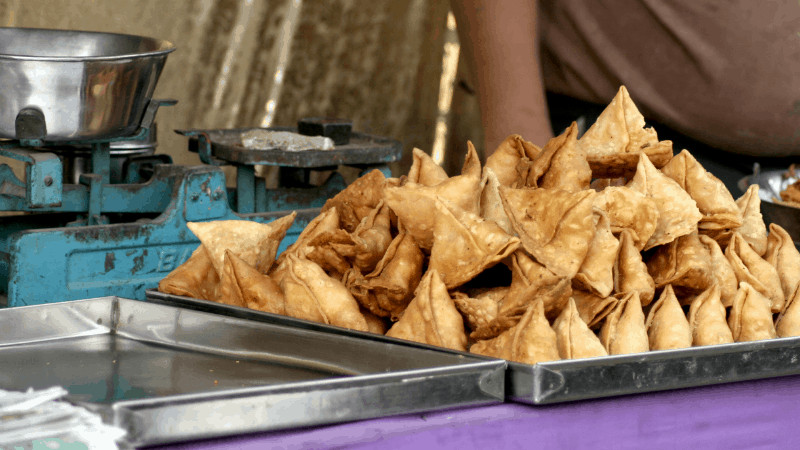
If you ever come to India, skip the fancy restaurants for a night and find a chaat stall. That’s where the real magic lives.
Chaat is the loud, messy, addictive soul of India’s street food scene. It’s the kind of thing you smell before you see, and once you do see it, you’re already reaching for a plate. Every stall has its own rhythm — metal spoons clinking against steel bowls, vendors shouting orders, people crowding in for “just one more” even though they said that ten minutes ago.
The lineup is wild: gol gappas that explode with spiced water the second you bite in, crisp aloo tikkis sizzling on a hot griddle, pav bhaji so buttery it practically glows, raj kachoris stuffed to the point of collapse, dahi bhallas drowning in yogurt and chutneys, samosas that crackle when you break them open. Every region has its own version, and every version has its own fan club.
Chaat hits every part of your palate at once — sweet, tangy, spicy, crunchy, soft, hot, cold — all in one chaotic, glorious bite. You don’t eat it politely. You stand, you lean forward, you drip chutney on your fingers, you laugh, you go back for more.
Is your mouth watering yet?
If all this talk about Indian food has you craving a taste of it at home, here are a few easy ways to get started — whether you want quick meals, spice mixes, or cookbooks that walk you through the real thing.
Prepared meals you can try
A low‑commitment way to sample different Indian dishes is to try ready‑to‑eat meals. They won’t match the depth of a fresh curry, but they’re surprisingly good and great for figuring out what flavors you enjoy.
- Khazana Gourmet Organic Indian Curry Variety Pack (5 meals)
- Tasty Bite Indian Entree Vegetable Tikka Masala Vegetables & Aromatic Spices in Creamy Tomato Sauce
- Indian Kitchen Foods Spinach with Cottage Cheese and Sauce (Palak Paneer)
- Indian Kitchen Foods Gourmet Indian Variety Pack (7 meals)
Spice mixes for easy home cooking
If you want to cook without buying a dozen spices at once, these blends are lifesavers.
- Chicken Biryani Seasoning Mix
- Shan Spices – Variety Pack of 4 (Tandoori, Butter Chicken, Bombay Biryani, Nihari)
- Shan Spice Combo #2 (Bombay Biryani, Meat Masala, Nihari, Seekh Kabab)
Cookbooks worth having on your shelf
Cookbooks let you customize dishes to your taste and learn the “why” behind the flavors.
- Vegan Richa’s Indian Kitchen by Richa Hingle
- Madhur Jaffrey’s Quick & Easy Indian Cooking
- Beyond Curry Indian Cookbook: A Culinary Journey Through India by Denise D’silva Sankhé
Inspired? Pin this post and save it for later!
Save this pin to one of your Pinterest boards for future reference. Follow us on Pinterest for even more travel ideas.


There is so much to like about Indian food and we feel like we have just tasted a little of what the country has to offer. Also Biryani and Gulab Jamun are two of our favorites. You can also try this article for more about foreign dishes: https://shouts.site/famous-food-in-different-countries.
Dan would agree with you about the gulab jamun. He’s been known to fill up on that at Indian buffets.
Hey!! Great article. It has covered almost everything that one should try in India and nice work on briefing them.
Thanks for the tip, Akahsha.
I’m a sucker for good food and all of the dishes that you have listed here look amazing. Now of the ones you have listed here, I would love to try out the hilsa fish curry. To me, that is one that looks the most delicious and all of the ingredients sound like they’d mix well and give it a good taste.
You’re a chef, Caden. We’d love to know if you’ve made it and how it turned out.
Great information! I read and enjoyed it. This post is really worthwhile for food lover. http://bombayclayoven.com/
Thanks for vouching for our story. Indian food is so varied, there’s something to please every person’s taste.
Aah Indian food, i really really miss it. You remember me Biryani :(. Other than that my most favorite are Nihari and Paye eating with Naan. You may also Dahi Bhalle same like chaat. The most i miss Garlic naan with White Qorma.
There is so much to like about Indian food and we feel like we have just tasted a little of what the country has to offer. We would like to spend some time travelling among the country’s 29 states because we understand the cuisine differs in each one. Biryani and saag paneer are two of our favorite dishes, though Dan has been threatening to make a meal of gulab jamun.
I live in a place where Indian cuisine is abundant and yet, the only Indian dish I’ve ever tried is buttered chicken. Shame on me.
We completely understand the desire to go back to favorites again and again. The first time we were in London, Dan had fish & chips every night. When we were in Italy he ordered lasagne almost every day. Greece saw us both enjoying horiatiki salata every lunchtime. So we’re the last ones to stand in judgment. Besides, we’ve had butter chicken. Nothing to be ashamed of, my dear. 😉
However, if you ever find yourself feeling a bit more adventurous at an Indian or Pakistani restaurant you may want to ask if they offer thali. It is a platter with small bowls of various dishes, with rice and naan bread. We think that’s an ideal way to sample a few different foods: So what if you don’t like one of them, just enjoy the others!
Everything in here looks delicious! The bad thing is that I have not tried any of these dishes. Here in Los Angeles (and I assume that in others parts of the country), we are constrained to the same dishes in most Indian restaurants. Plus, they tone down the spices to satisfy the customers palate. I guess the restaurants cater to what the public knows and wants. I have been able to try different things in restaurants located in neighborhoods where there is a high density of Indian restaurants. But, I know the real Indian food is just another world. I hope I can travel one day to India and experience the real food there.
That’s certainly the case as well in the Tampa area, Ruth. Same with most cuisines, I think. It makes good business sense to cater to customer needs, as you said. The best we can do is to eat at the restaurant where locals eat and to hope that a particularly friendly proprietor might be willing to prepare a different dish on request.
And yes, we hope to experience India firsthand as well.
I am not a great fan of Indian food. The flavors are too strong, especially curry. I’ve been invited to some of the best Indian restaurants in Los Angeles and San Francisco and while everybody else was drooling over their food, I was stuffing myself with bread. I felt really bad for the hosts, but you can’t argue about taste.
I’m so sorry to hear that, Anda, though I can’t say I blame you. As a result of an “overdose” of curries as a girl (courtesy of a dinner hosted by my dad’s associate) I detested Indian food for decades. It is only in the past few years that I learned how varied Indian cuisine can be. Now I order the milder vegetarian dishes (cheese, spinach, lentils, etc.) and Dan goes straight for the intensely spicy-hot vindaloo. As you say, you can’t argue about taste. At least we both agree that they have some pretty fabulous desserts.
I love spicy food. There is an India restaurant around the corner from me that I have been wanting to try. I might have to sample some of these dishes!
Great idea – you might be able to sample a few at once if they offer a lunchtime buffet. We have discovered that a lot of Indian restaurants do that.
Love Indian cuisine and been recently very happy that that the UK has such good Indian food:)
Haha – we sometimes joke that Indian Food is one of the best reasons to visit England.
Oh, that’s an idea! We will have to get some Indian food when we are back in England. In Scotland we didn’t see much other than traditional food.
My sympathies; though Scottish food is pretty good anything can get tiresome. I’d imagine that it’s hard to find foreign food in smaller Scottish towns.
I love sarson ki saag with makai ki roti, and also chaat, as Pakistani our food almost same with Indians. Thanks Rohit for sharing.
Are there any foods that are special to Pakistan, Ashfaq?
Yes Linda, there are many delicious foods in Pakistan. Right now i am in Indonesia and its hard to find our food in this area so i really miss it, specially the Nihari and Poori, I will write some time in detail about Pakistani Foods.
Well, Ashfaq, we are looking forward to reading about Pakistani food. Meanwhile we hope you enjoy all the wonderful dishes Indonesia has to offer while your there. Our mouths are watering just thinking about them! We like to recommend our favorites: gado-gado, mie goreng, bebek goreng, and es teler. 🙂
I should have known better than to read this on an empty stomach. Now I am starving and craving…well, one of everything! I am still a stranger to Indian cuisine, but I have yet to meet a dish that wasn’t delicious – though some are just too spicy-hot for me. One of my resolutions this year is to find more Indian food, and also learn to cook a few dishes. I mean, beyond the basic vindaloo. 😉 Now, if you’ll excuse me, I’m running out for a Dosa. Mmmm….
Geez, vindaloo. No wonder you think Indian food is too spicy-hot, Rob; vindaloo is at the top of the scale!
We have found that Indian restaurants in America are quite used to wimpy American tongues and are happy to customize the spice level to your taste. One of us always asks for a Level 5, while the other prefers food at about a 2 or 3. What level would you go for?