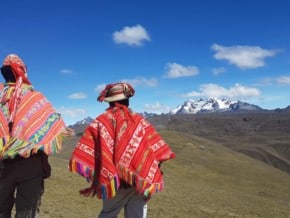
Cusco is one of those places where history is part of everyday life. Inca stone walls line cobbled streets, colorful markets sell everything from Andean potatoes to alpaca textiles, and ancient ruins rise above the city. Head beyond Cusco, and you’ll find the Sacred Valley, with its mountain scenery, traditional villages, and impressive archaeological sites.
With three days in Cusco, you can experience a little of everything. Start at San Pedro Market, explore the city’s Inca and colonial history, and spend a full day visiting Pisac, Urubamba, and Ollantaytambo.
This itinerary gives you three full days of sightseeing, so plan extra time to adjust to Cusco’s high altitude before you begin.
Day 1: Explore San Pedro Market and Cusco’s Crafts
Morning: San Pedro Market
Begin at San Pedro Market, a short walk from the Plaza de Armas. People come here to shop and work, so keep aisles and counters clear while browsing.
To explore with someone who can interpret unfamiliar ingredients and facilitate conversations with vendors, plan a Cusco market walk around food, crafts, and everyday shopping.
Start with the produce. Choose an unfamiliar ingredient and ask how it is prepared. Is it boiled, added to soup, or eaten as a snack? Learning how one product is used gives you more context than simply photographing the displays.
Continue toward the bread and prepared-food stalls. Watch what shoppers order, and ask about ingredients before choosing a dish, particularly if you have allergies or dietary restrictions. Tasting is optional.
💡 PRO TIP: Carry small-denomination Peruvian soles for purchases, greet sellers before approaching, and ask permission before photographing people.
Afternoon: Explore the Crafts at Centro Artesanal
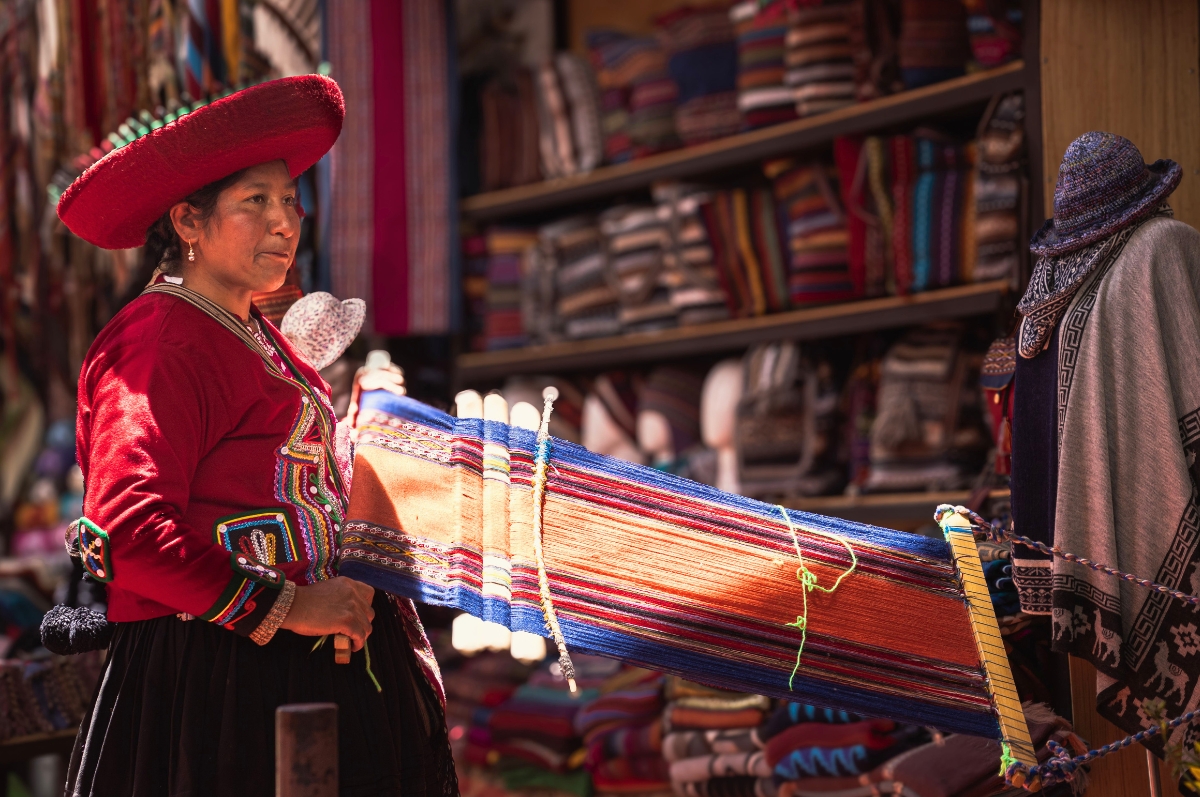
After lunch and a rest, visit Centro Artesanal to explore crafts and how they’re made.
When something interests you, ask where it was made, what fibers or other materials it contains, and how it was produced. A woven item’s appearance alone cannot tell you whether it was handmade locally. For a textile you intend to use, ask about washing and care as well as decorative details. Those answers can help you decide whether it suits your home or wardrobe.
Compare pieces before deciding what to buy, keeping in mind differences in size, finish, and price. Finish the day with dinner near your accommodation.
Day 2: Discover Cusco’s Inca History
Morning: Explore Qoricancha and the Historic Center
Begin the second day at Qoricancha. The former Inca religious complex and the later Santo Domingo convent provide a starting point for understanding Cusco’s layered architecture.
Look at how the stone blocks fit together and the changes between earlier construction and later additions. Colonial development incorporated parts of the Inca city, leaving evidence of successive uses within the same buildings.
Continue toward the Plaza de Armas and the surrounding streets. Pause at doorways and exposed masonry to compare the stonework with what you saw at Qoricancha. Keep this part of the morning on foot, with a café stop before the afternoon excursion.
Afternoon: Visit the Inca Ruins at Sacsayhuamán
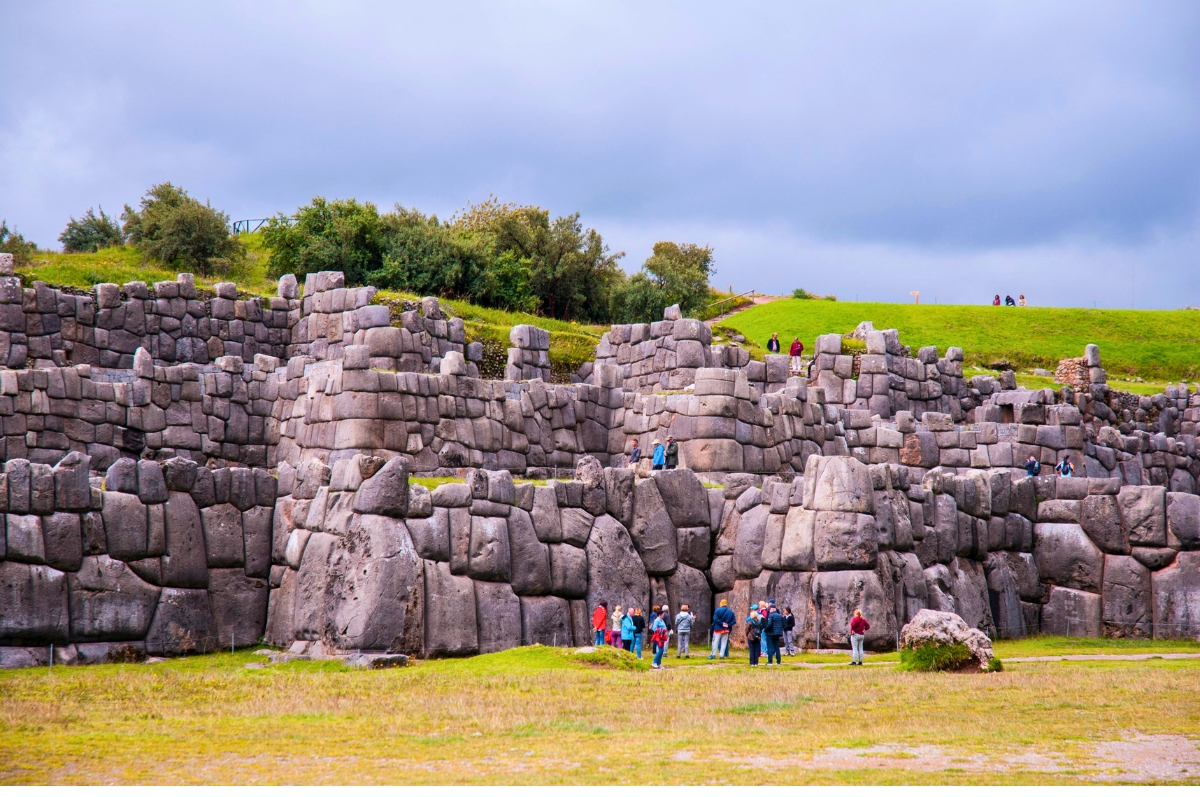
Arrange transport uphill to Sacsayhuamán and keep the visit as your main afternoon activity. Its large fitted stones give you a different sense of scale from the walls encountered in the city center.
Expect uneven surfaces and steps, and discuss a manageable route with your guide. Leave additional nearby sites optional. If you feel unwell after arriving at altitude, adjust your plans and seek medical advice.
💡 BUDGET TIP: Before choosing a pass, compare the archaeological ticket circuits against the sites planned for your second and third days. Sacsayhuamán and the Sacred Valley belong to different partial-ticket circuits, while an integral ticket covers a wider selection. Check the validity period and inclusions before paying.
Day 3: Explore the Sacred Valley
Morning: Visit Pisac Market
Arrange a full day of transport through Pisac, the Urubamba area, and Ollantaytambo, returning to Cusco afterward. Confirm pickup, driving times, waiting arrangements, and the return journey before booking.
Begin in Pisac town, using San Pedro as a point of comparison. Notice the balance between food shopping and stalls selling souvenirs or crafts. Consider what each market offers: ingredients for a household meal, a practical item, or something a visitor can take home.
Pisac’s archaeological complex is a separate visit above the town. If you want to include it, agree on the additional time and walking involved before departure, and shorten the market visit accordingly.
Midday: Stop for Lunch in Urubamba
Stop for lunch around Urubamba, choosing somewhere that suits your budget and dietary needs.
Look for an ingredient you learned about in Cusco and see how it appears on the menu. The surrounding agricultural landscape gives the meal a broader context, though you’ll need to confirm a product’s origin rather than infer it from nearby fields.
Afternoon: Explore Ollantaytambo’s Ruins and Streets
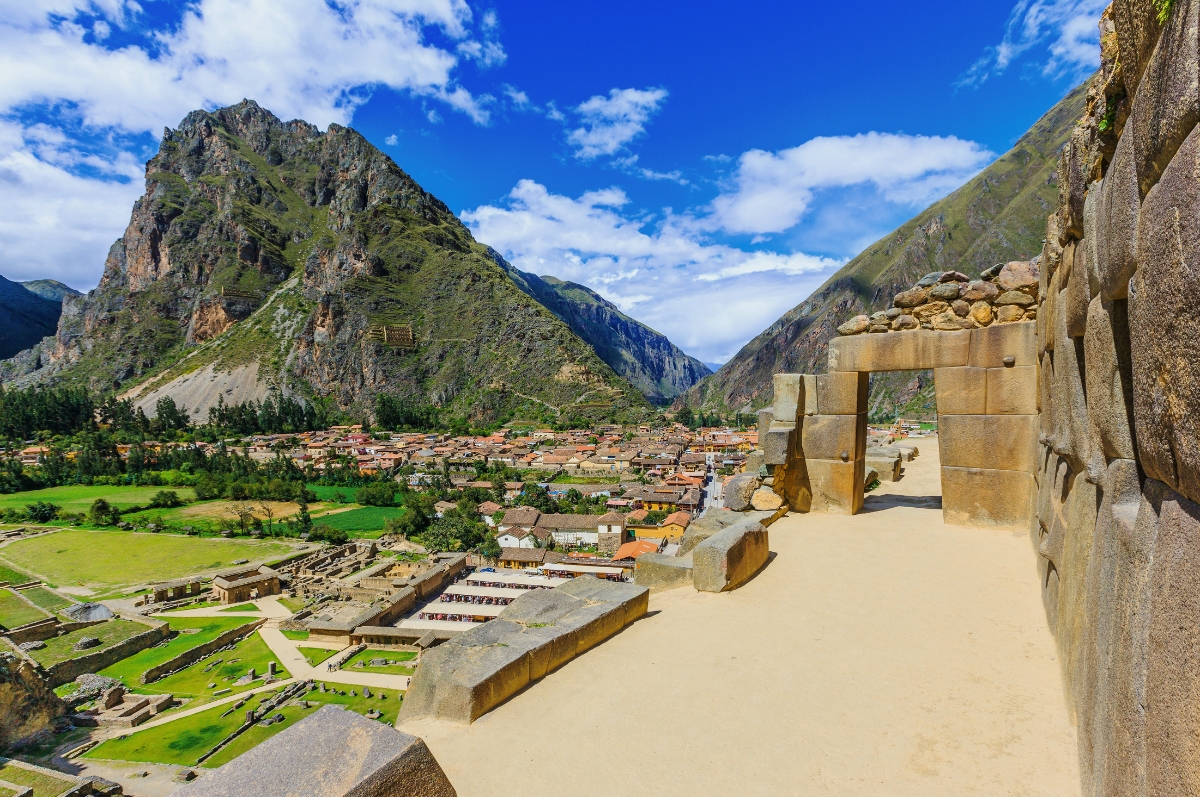
At Ollantaytambo, divide your afternoon between the archaeological site and the town. Choose how much climbing to do based on the steps, time available, and your energy.
Examine the terraces and stone construction at the site, then explore the town’s streets and water channels. Keep entrances clear and respect residents’ privacy.
The relationship between food, craftsmanship, and the surrounding landscape offers a way to understand Andean traditions in everyday life. Let residents explain their own customs, which continue to develop within contemporary communities.
Save Maras, Moray, and Chinchero for another route. Adding them would reduce the time available in Pisac and Ollantaytambo and extend an already substantial day of driving.
Practical Tips for Visiting Cusco in 3 Days
Gradual ascent is preferable when traveling from low elevation. Avoid heavy exercise and alcohol during the first 48 hours at altitude; a relaxed itinerary cannot guarantee protection from altitude illness.
Separate entry costs from transport and guiding when comparing options. Qoricancha’s site museum, which appears on the tourist ticket, is distinct from the temple and convent, so check which admission you need.
Carry a small bag that keeps your hands free and has room for purchases. Keep cash accessible without displaying a large amount. If you buy pottery or another fragile item, request protective wrapping and consider how you will pack it for the flight home.
Bring layers, sun protection, and shoes suitable for uneven ground. Recheck opening hours and access conditions close to your visit.
Machu Picchu requires its own transport and admission planning. Give it additional time rather than adding it to a day already devoted to the Sacred Valley.
Leave With More Than a List of Stops
A successful three days in Cusco leaves you with details you can connect: an ingredient you recognize on a menu, a construction technique you notice in two places, or a craft whose materials you understand. Starting with a market walk gives you questions to carry into the rest of the journey, making each stop more memorable.
Frequently Asked Questions About Cusco
Is 3 days enough in Cusco?
Yes. Three full sightseeing days give you time to explore Cusco’s historic center, San Pedro Market, and Sacsayhuamán, plus take a day trip to the Sacred Valley. Plan additional time to acclimatize after arrival. If you also want to visit Machu Picchu, allow at least one more day for the excursion and arrange your train and admission tickets in advance.
Can I explore Cusco without a car?
Yes. You can explore Cusco’s historic center on foot. San Pedro Market, Qoricancha, and the Plaza de Armas are all within walking distance of one another. Take a taxi uphill to Sacsayhuamán, then walk downhill to the historic center or arrange a return pickup. For the Sacred Valley, choose a full-day group tour that includes Pisac, Urubamba, and Ollantaytambo, or hire a private driver for a more flexible schedule.
How long does a Sacred Valley day trip take?
Allow approximately 10–12 hours for a full-day Sacred Valley trip from Cusco that includes Pisac, lunch near Urubamba, and Ollantaytambo. Organized tours typically depart in the morning and return in the evening. Check the itinerary before booking, as some tours skip Pisac Market or add extra stops that reduce your time at each attraction.
Do you need a guide to visit Cusco’s Inca ruins?
No. You can explore Sacsayhuamán, Pisac, and Ollantaytambo independently. However, a local guide can explain the history, construction techniques, and significance of the ruins. Organized Sacred Valley tours typically combine transportation with guided visits, but admission tickets may cost extra.