Most storage units seem pretty similar at first glance. Then you try unloading a packed car after a long trip, realize the gate code isn’t working properly, and discover the loading area was apparently designed for people carrying one small box at a time.
That’s when the differences start becoming obvious.
When you travel often or store seasonal gear between trips, a storage facility becomes less about square footage and more about convenience. Access hours, traffic flow, climate control, lighting, and how quickly you can get in and out all matter a lot more when a storage unit is part of your regular routine instead of just a place to stash extra stuff.
What Separates Good Storage Units from Bad Ones
Travel comes with enough hassles as it is: delayed flights, changing schedules, temporary housing, and unexpected detours. If your storage choice adds another layer of hassle, it stops being a convenience and becomes a weak link. That matters for people who rotate between homes, keep seasonal equipment offsite, or run a small business from a lean footprint.
What might seem minor at first can become annoying pretty quickly. A unit that is hard to reach after business hours can turn a quick pickup into a wasted morning. A facility that claims to offer flexibility but handles check-ins slowly can turn a quick stop into half the day. Some facilities look great during the tour but become annoying once you start using them regularly.
The real cost of storage for frequent travelers is less about the rent and more about time, access, and confidence. If those three are not there, the storage unit starts becoming part of the problem instead of the solution.
The same thing applies in places with a lot of seasonal residents and temporary housing. Someone looking for Auburndale storage space, for example, is probably choosing the area first. After that, practical details like access hours, climate control, security, and convenience start separating one facility from another.
What to Check Before Renting a Storage Unit
Before you sign anything, look past the sales copy and evaluate how the place will perform on an ordinary Tuesday, not just during a tour. The goal is to understand whether the facility fits a mobile routine, protects the right items, and stays workable when your plans change on short notice.
- Read the rental agreement carefully before signing. Some facilities limit how often units can be accessed, restrict certain stored items, or raise rates aggressively after introductory pricing expires.
- Check how easy it is to reach someone when there is a problem. A facility that looks polished during business hours can feel very different if the gate malfunctions after dark or you cannot access your unit unexpectedly.
- Whenever possible, read the recent reviews, not just the overall ratings. Repeated complaints about billing issues, pests, or security problems—especially recent ones—usually matter more than a high average score.
Access That Fits Your Travel Pattern
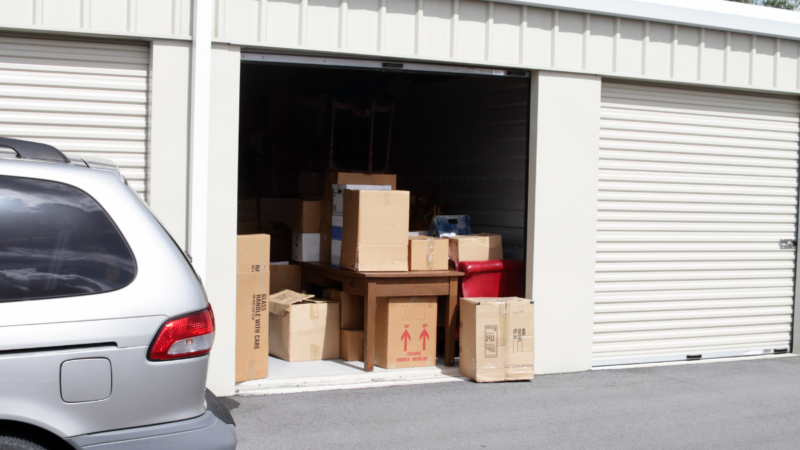
If you have an irregular schedule, access hours matter a lot. Early departures, late returns, and weekend turns are common in travel-heavy routines. Even if a facility advertises convenience, it can still be awkward if the gate hours, office hours, or loading setup don’t match the way you actually move.
Look for practical details: wide aisles, easy vehicle approach, lighting that helps after dark, and a process that does not require a phone call for every small task. If you’re storing luggage, gear, or business samples, repeated access should be simple. Imagine what happens when you arrive with a full car and limited time. Can you park quickly, unload without blocking traffic, and leave without a complicated handoff?
It also helps to know how the facility handles problems when staff are unavailable. Before renting, find out if there’s an emergency contact number and what happens if something goes wrong after office hours.
Condition Trumps Appearance
Clean floors and fresh paint are fine, but they do not tell the whole story. What matters is whether the unit stays dry, whether temperature swings are controlled well enough for sensitive items, and whether the property looks maintained instead of merely staged. Electronics, documents, fabrics, and collectibles usually cannot handle much abuse.
If you have gear that hates heat or humidity, a climate-controlled unit is useful, but it is not magic. It reduces risk rather than eliminating it, and whether it is worth paying for depends mostly on what you are storing.
If you’re storing luggage, coats, instruments, camera equipment, or inventory, pay special attention to odors, dust, and signs of prior water intrusion. Check for signs of mold. Ask how often the property is inspected and whether carts and loading areas are functional, not just present.
- Ask how often the property is inspected.
- Check the carts and loading areas yourself, to make sure they work smoothly.
- Ask what happens if a unit needs attention after hours.
It also helps to pay attention to how the property is actually being used. Overflowing carts, blocked driveways, or neglected common areas will tell you more than the sales office does.
Don’t Choose by Price Alone
Cheap storage is not always cheap once you factor in wasted trips, damaged items, or the need to move everything again. It’s easy to overestimate how much room you need and underestimate how often you will need to get into the unit.
Another common mistake is assuming every facility can handle vehicle storage or irregular item sizes. If you are storing a trailer, a work van, or bulky equipment tied to travel and events, verify the setup first. Size labels are not enough. Measure the door clearance, turning room, and the actual usable footprint before committing.
Price should be part of the comparison, but not the whole comparison. It may be worth paying a slightly higher rate if it buys better access, stronger upkeep, or a layout that saves repeated trips.
Think about the route as well as the location. A cheaper facility across town may become irritating quickly if getting there means fighting traffic every time you need something.
The Best Storage Setup Is the One You Barely Notice
If you travel often, storage should make life easier, not create another problem to manage. It should protect what you are not using and be easy to access when plans change unexpectedly.
Ultimately, the best storage setups are the ones you barely think about once everything is moved in.