There’s a certain kind of trip where you come home needing a vacation from your vacation.
Too many stops. Too much time in transit. Just enough time in each place to say you were there.
A lot of people are done with that.
Slow travel is about doing the opposite—fewer places, more time, and actually enjoying the experience instead of rushing through it.
What is slow travel?
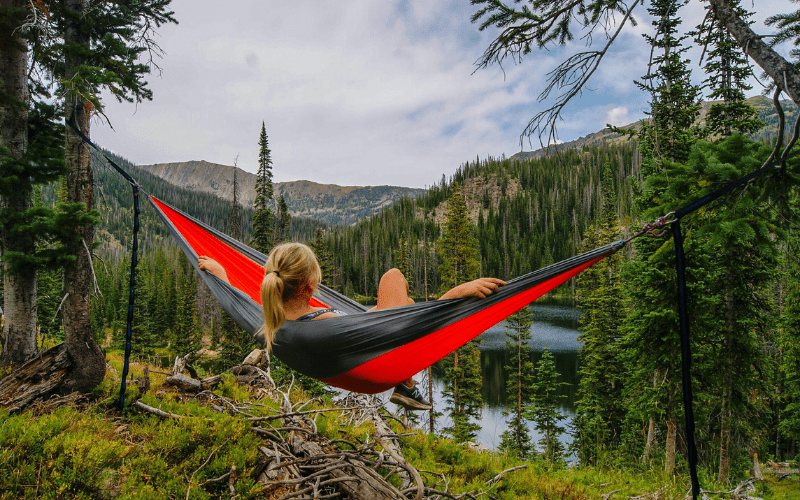
Slow travel is about taking your time and actually experiencing a place instead of rushing through it. It sounds simple, but it’s not how most people travel.
Slow travel definition
Slow travel means spending more time in fewer places so you can actually experience them instead of rushing through a checklist.
What is slow tourism?
Slow tourism is just another term for the same idea—staying longer, supporting local businesses, and getting a feel for a place instead of passing through it.
Think about the difference between a trip where you barely stop moving and one where you actually settle in for a few days. One blurs together. The other sticks with you.
That’s what slow travel is getting at.
Slow travel doesn’t mean literally moving slower. It means taking the time to experience a place—its culture, its people, and how things are actually done.
It also means stepping away from the usual mainstream tourism—big attractions, packed itineraries, and places built for volume—and finding other ways to explore, whether that’s using local transport or spending time in areas most visitors skip.
What is the slow travel movement?
The slow travel concept goes back to the 1980s, when Italy’s slow food movement pushed back on mass-produced food and the loss of traditional cooking and farming. The idea was simple—stay connected to the place, the people, and what you’re experiencing instead of treating everything like something to rush through. That same thinking carried over into travel (there’s even a book on it, Slow Travel: A Movement).
Slow travel is the opposite of typical “bucket list” trips. Instead of jumping from place to place and barely seeing anything beyond the main attractions—or staying in an all-inclusive and not really leaving it—you stay longer and actually spend time there.
That means getting to know the area, eating where locals eat, and supporting small businesses instead of just passing through. It’s less about how much you can fit in and more about whether you experienced the place at all.
Why is slow travel so popular?
Slow travel works better—for you and for the places you visit.
A lot of traditional tourism is built around volume. Big hotels, packaged experiences, quick stops. You see the highlights, but most of your money never really reaches the local community, and you move on before you get any sense of the place.
That’s why people started pushing back on it. They want trips that feel more real—where you’re not just checking boxes, and where your time and money actually go into the places you’re visiting.
How we travel has shifted. Instead of rushing through a packed itinerary, more people are slowing down—fewer destinations, more time in each place, and trips that don’t feel like a race.
That can look like settling into an Airbnb or VRBO for a few days, house-sitting, booking longer stays, or building a trip around your own space—whether that’s a campervan, RV, or one of the quality trailer brands available—so you’re not dealing with constant check-ins and tight schedules.
Remote work makes it easier to stay longer, and once you’ve traveled this way, it’s hard to go back to rushing through a trip just to say you’ve been there.
What are the benefits of slow travel?
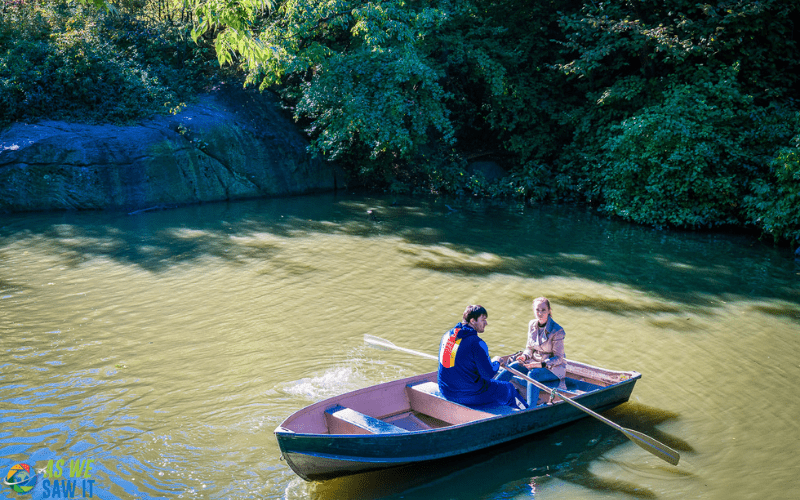
There are many benefits of slow travel, both for the traveler and for the community. When done right, slow travel can create lasting memories and relationships, while promoting sustainable tourism practices.
Here are some of the top benefits of slow travel:
1. It connects you with the local community.
Slow travel lets you really get to know the local people and culture, instead of just visiting a place briefly as part of a larger tour group.
This can lead to deeper, more meaningful experiences and relationships that last long after your trip ends.
2. It promotes sustainable tourism practices.
Slow travel encourages you to visit small, locally-owned businesses and stay in family-run accommodations, rather than big hotels or resorts. This supports the local economy, helps keep money within the community, and reduces your environmental impact.
3. It creates lasting memories and friendships.
The slower pace of travel gives you time to really connect with the people you meet along the way. This type of travel experience creates meaningful relationships and fond memories that will last long after your trip is over.
4. It cultivates your sense of wonder and adventure
Slow travel gives you an opportunity to grow, to learn, and to really enjoy new experiences on a deeper level. That’s why you’re then more likely to cultivate that sense of wonder and adventure that sparked your love of travel in the first place.
5. It allows you to truly experience a place.
When you travel slowly, you have time to really see everything a place has to offer. You’re not rushed from one attraction to the next, so you can take your time exploring, learning about the history and culture, and simply enjoying your surroundings.
6. It saves you money.
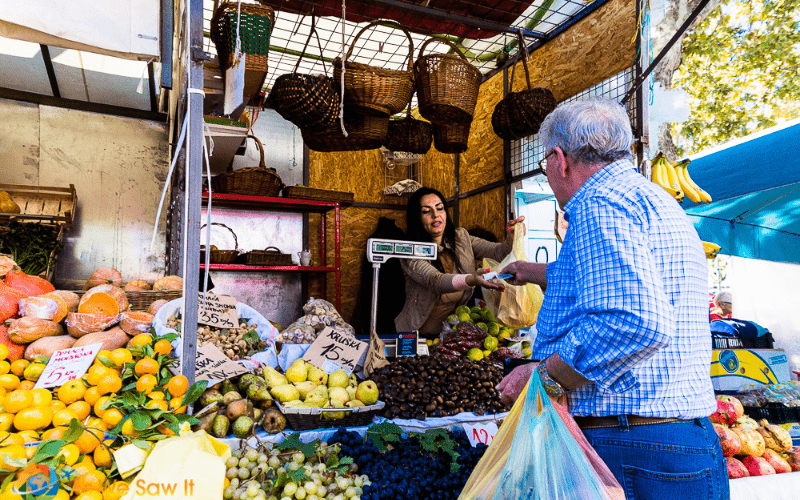
Slow travel is often much cheaper than traditional tourism because you’re not spending money on things like airfare, rental cars, and tour packages. You can also save by staying in accommodations like community-run establishments, homestays, or Airbnbs, shopping local, and eating at neighborhood restaurants.
7. It offers lifelong learning.
Immersive experiences and slow travelers go together. Whether you go and live somewhere new, learn a new language or skill, or volunteer – immersive, authentic and unique experiences can teach you a lot. They also contribute towards a journey of lifelong learning.
8. It helps you appreciate the simple things in life.
When you embrace the art of slow travel, you learn to appreciate the simple things in life that we often take for granted, like a good meal, a comfortable bed, or a beautiful sunset. These small moments are what make travel so special and worth slowing down for.
9. It allows you to disconnect from the world.
One of the best things about slow travel is that it allows you to disconnect from the outside world and truly be present in your surroundings. This can help you relax and recharge, leaving you feeling refreshed and rejuvenated when you return home.
10. It eliminates travel stress.
At its core, slow travel is simply a more relaxed and enjoyable way to see the world. There’s no need to hurry from one place to the next or try to see everything as quickly as you can. It lets you take your time, savor your experiences, and create lasting memories that will stay with you for a lifetime.
How to slow travel (20 practical tips)
Slow travel has become increasingly popular and has many benefits. You are probably interested to know how you can adopt a slow travel mindset.
Here are a few tips to help you master the art of slow travel in your own life. For more slow travel ideas, tips, and tricks, check out The Art of Slow Travel [An Unusual Travel Guide].
1. Don’t try to see and do everything
Instead of trying to see and do everything while on vacation, rather seek out a few immersive and authentic experiences. Opt for visiting places that aren’t on the typical tourist routes. With slow travel, off-the-beaten path is a good thing.
Allow yourself the time to enjoy the types of activities that resonate with you. And don’t feel pressured into doing what so many other tourists do in the same place. Look for unusual things to do, and you’ll come back with some amazing stories from your trip.
2. Get inspired with books and movies set in your destination
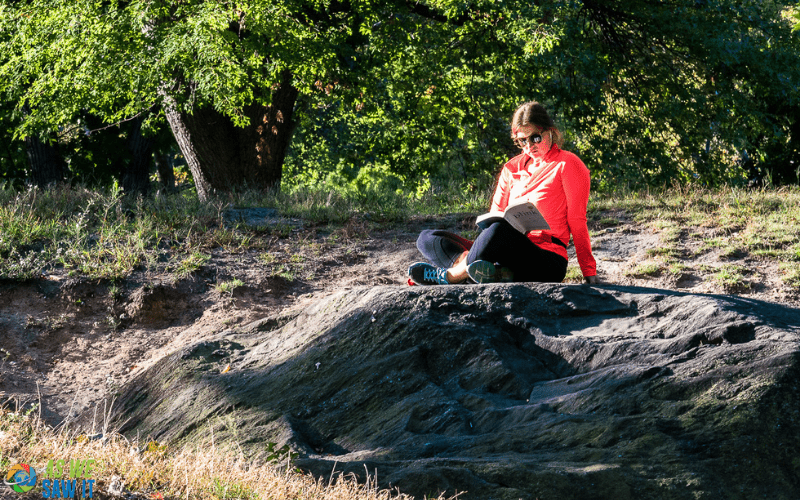
Before you leave on your next trip, get inspired by reading books or watching movies set in your destination. This will help you to have a better understanding of the culture and history of the place you’re visiting.
It can also give you some ideas for things to do while you’re there. For example, if you’re visiting Italy, you might want to read “Under the Tuscan Sun” or watch “The Italian Job”. This will help set the tone for your trip and get you excited about all the possibilities.
3. Embrace uncertainty
One of the best things about being a slow traveler is that it allows for a certain amount of spontaneity. This can be both scary and thrilling at the same time.
If you’re used to having everything planned out in advance, it can be liberating to let go and see what happens. Give yourself time to explore and see where the wind takes you. Don’t be afraid to get off the beaten path and discover something new. If you end up getting lost, you can always ask a local for directions or recommendations on what to do, so it’s all good.
Embrace the unknown and go with the flow while on your trip. You might be surprised and delighted by what you discover.
4. Slow down your pace
When you’re used to living life in the fast lane, slowing down can be hard to do. But it’s important to remember that slow travel is all about taking the time to enjoy your surroundings and savor the moment.
It’s okay to sleep in and skip a few sightseeing activities. Take time to chat with locals and explore your destination. You don’t have to rush from one place to the next if you don’t want to – slow travel is all about taking it easy and enjoying yourself.
Instead, focus on enjoying each moment and savoring your experiences. This will help you really connect with your surroundings and make the most of your time.
5. Travel in the off season
To really experience slow travel, it’s a good idea to travel during the off season. This is usually right before or after peak tourist times when prices are cheaper and crowds are smaller.
It can also be a lot less stressful, since you won’t be competing with as many other tourists for space and time to explore. So give yourself the gift of not having to fight crowds by visiting your chosen destination at an unconventional time.
6. Sit at cafes and parks and people watch
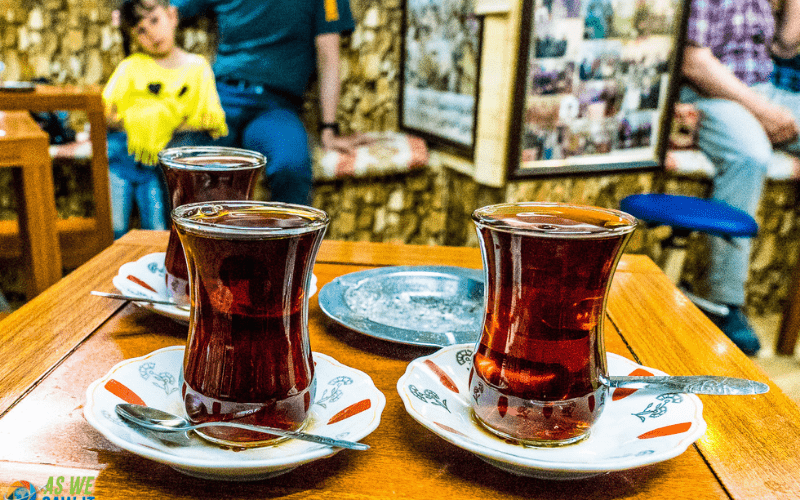
Slow travelers know that one of the best ways to enjoy a place is to sit back and observe regular everyday things going on around you. Head to a local cafe or park and take some time out to people watch.
This is a great way to see how locals really live and what their daily lives are like. It’s also a chance for you do some people watching of your own and find out what makes them tick.
7. Make friends with expats and locals
As a slow traveler, you’ll want to connect with people who live in the local area. Residents can help you avoid tourist traps and show you the hidden gems of their city or town. They can also give you insights into things that you won’t find in any guidebook.
To start connecting with folks before you travel, check related Facebook groups. You can also participate in Meetup or Internations activities once you arrive.
Get a travel eSIM for this so people can reach you on a local number. Better yet, you won’t have to pay those crazy roaming fees!
Ask a barista or market vendor for recommendations on things to do and see, as well as where to eat and drink.
If you want to connect with others but don’t speak the language, use an app like Google Translate to help you communicate.
8. Use public transportation or walk instead of renting a car
One of the best ways to slow down while traveling is to take public transportation or walk instead of renting a car. This will allow you to really get in sync with your surroundings and experience local life in a way that driving just won’t allow for.
Whether it’s riding the subway in New York City or walking along the Camino de Santiago, taking some time to navigate via public transportation can make all the difference between feeling like a tourist and truly immersing yourself in a place. Plus, you never know what interesting things you might see on your journey!
9. Stay in one place for a while
If you really want to slow down and get to know a place, it’s a good idea to stay in one spot for a while. This will give you the chance to really explore your surroundings and get a feel for the local way of life.
So instead of bouncing around from place to place, try to find accommodations that you can stay in for at least a week or two. This will help you save money and avoid feeling rushed as you try to cram everything into a short time frame.
10. Avoid tourist traps
One of the best ways to slow down your trip is to avoid—or at least limit—visiting tourist traps. These are places that are designed specifically for tourists and often lack any real cultural value.
Instead of visiting these touristy spots, focus on exploring the places that locals go. You’ll have a more enjoyable experience and you might even get some insider recommendations for things to see and do!
11. Take time for down time
Even though it’s tempting to fill every minute of your trip with activities, it’s important to take time to relax and recharge as well. After all, slow travel is about enjoying yourself – not stressing out!
So whether you spend an afternoon at a hammock café or head up into the mountains for a scenic hike, take some time each day to just sit back and breathe in your surroundings. This will help keep you from burning out during your trip and it will make all the difference in your overall travel experience.
12. Stay in a place with character
Take the time to do some research before you book any accommodations, because you’ll end up spending a lot of time in your temporary home. So it’s important to find a place that has character and offers a good experience, rather than just being someplace convenient or cheap.
Instead of staying in chain hotels, opt for local bed and breakfasts, Airbnbs, VRBOs, homestays, or community-run accommodations. When you stay in a place that’s locally owned and operated, it’s easier to connect with locals even more and give you a deeper understanding of their culture.
13. Sample unfamiliar dishes
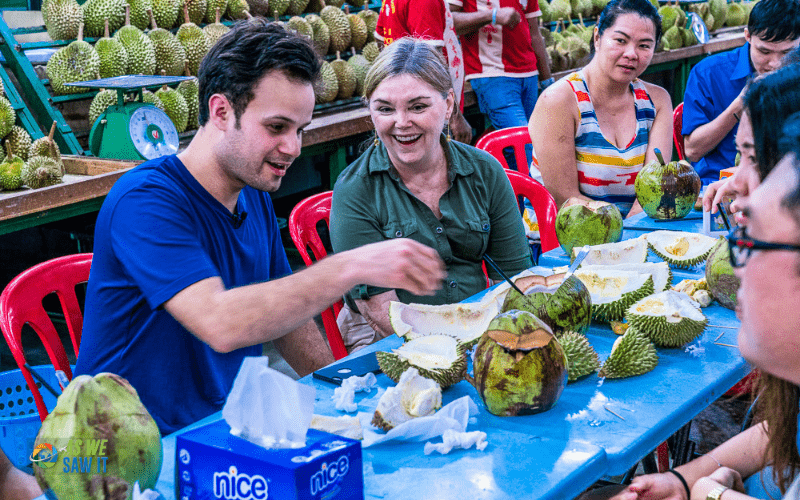
Another great way to really get in sync with your surroundings is by eating local dishes and foods. It might be tempting to eat at familiar chain restaurants while traveling, but you’ll have a much better experience if you try a foreign destination’s cuisine instead.
To do this, ask locals what they like to eat, check out local food markets, or try a cooking class so that you can learn to make your own delicious meals. Not only will this help you get in touch with the local way of life, but it will also give you some truly mouthwatering memories!
14. Eat at local restaurants
In a similar vein, look for local restaurants and cafes to eat at, ones that aren’t on the tourist maps. That way you can support local economies and livelihoods.
You’ll also have more chance of having an authentic and immersive experience in a place not filled with other tourists.
15. Shop at the local markets
When you’re traveling, it’s tempting to stock up on souvenirs at the airport or other generic shops. But once you get a taste of local market shopping, you won’t want to go back!
So instead of buying all your souvenirs at tourist traps, make sure that you head to the local markets to see what they have to offer. You might find some amazing handmade goods, fresh produce and other unique items that you can’t get anywhere else.
16. Get off the beaten path
If you really want to slow down your trip and experience a place in depth, it’s a good idea to leave the beaten path behind from time to time. This is especially true if you’re visiting a popular destination, as the well-trodden tourist trails can be pretty crowded!
So instead of sticking to the typical tourist spots, go exploring and see what else your destination has to offer. With a little effort, you’re sure to find some hidden gems that are well worth your time.
17. Look for local events and festivals
If you find yourself in a place that’s not so busy during the off-season, see if there are any local events or festivals happening during your stay. This is often a great way to get involved with the locals and enjoy their culture first-hand.
You might even be able to catch some amazing fireworks shows, street parades or other celebrations that you wouldn’t find at home!
18. Go on day trips
If you really want to slow things down and experience your destination in depth, consider going on a day trip or two. Day trips are a great way to visit some of the smaller towns and villages that are off the beaten path.
Plus, it gives you a chance to really experience the local way of life, even if just for a day. So if you get the chance, don’t hesitate to book a few day trips!
19. Rent a bicycle or scooter
Another great way to slow down your travels is by getting around on two wheels instead of four. This will not only help you save money on transportation costs, but it will also allow you to take your time and enjoy the journey.
So if you’re looking for a more leisurely way to get around, consider renting a bicycle or scooter during your trip. Just be sure to brush up on your skills before hitting the road!
20. Revisit places you’ve already been to
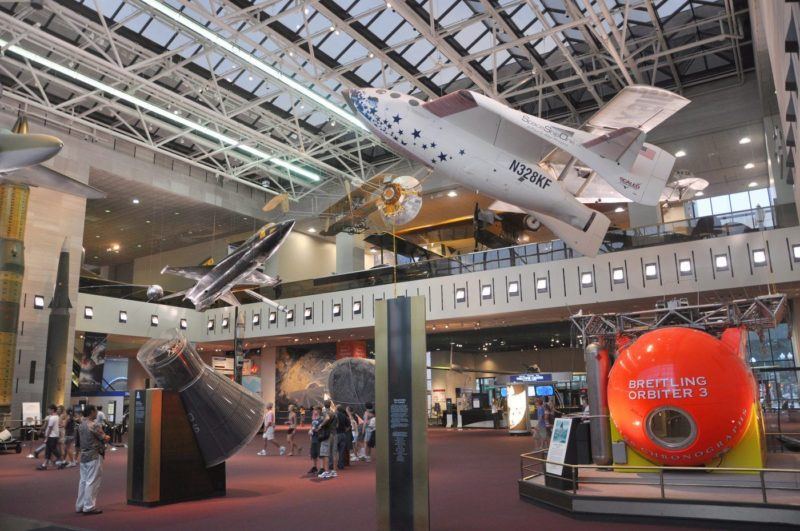
If you’ve already visited a destination, odds are that you’ve already seen the iconic tourist attractions.
So if you’re lucky enough to be able to go back and visit your favorite destinations again, don’t hesitate to take advantage of it!
A second visit can be a great chance to do some of the things you missed out on the first time around, like wandering through a favorite museum or getting lost in a new neighborhood.
Final thoughts about embracing slow travel
So, after all of this, what’s the verdict? Is slow travel really worth it? In our opinion, absolutely. Slow travel has a lot to offer – from gaining a deeper understanding of other cultures to forming more meaningful connections with the people you meet along the way.
It can be challenging at times, but that’s part of what makes it so rewarding. If you’re looking for an authentic travel experience that will leave you feeling enriched and inspired, then we encourage you to give slow travel a try.
Inspired? Pin this post and save it for later!